
Forest, Land, and Climate Solutions That Actually Work
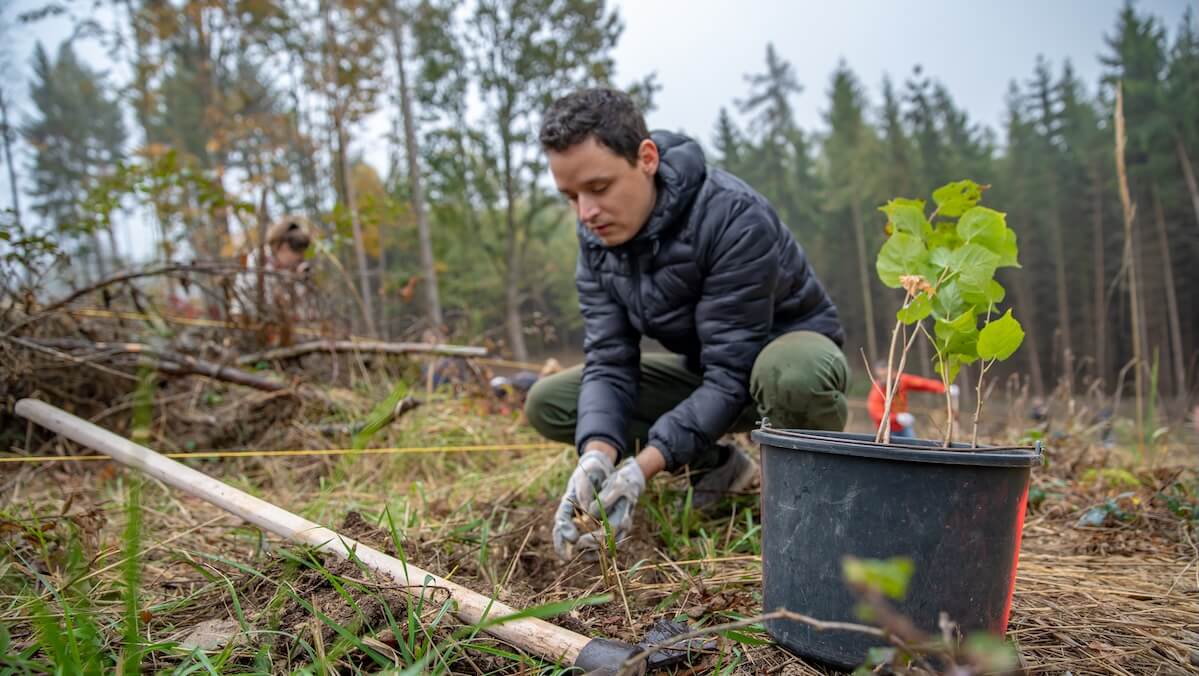
Forests and land ecosystems play a central role in stabilizing the climate and protecting biodiversity. When forests are cleared or soils are degraded, large amounts of carbon are released into the atmosphere, accelerating climate change. At the same time, restoring and managing land properly can reverse some of this damage. Today, a mix of nature-based solutions and advanced technologies is
Sustainable Cities, Buildings, and Transport Solutions
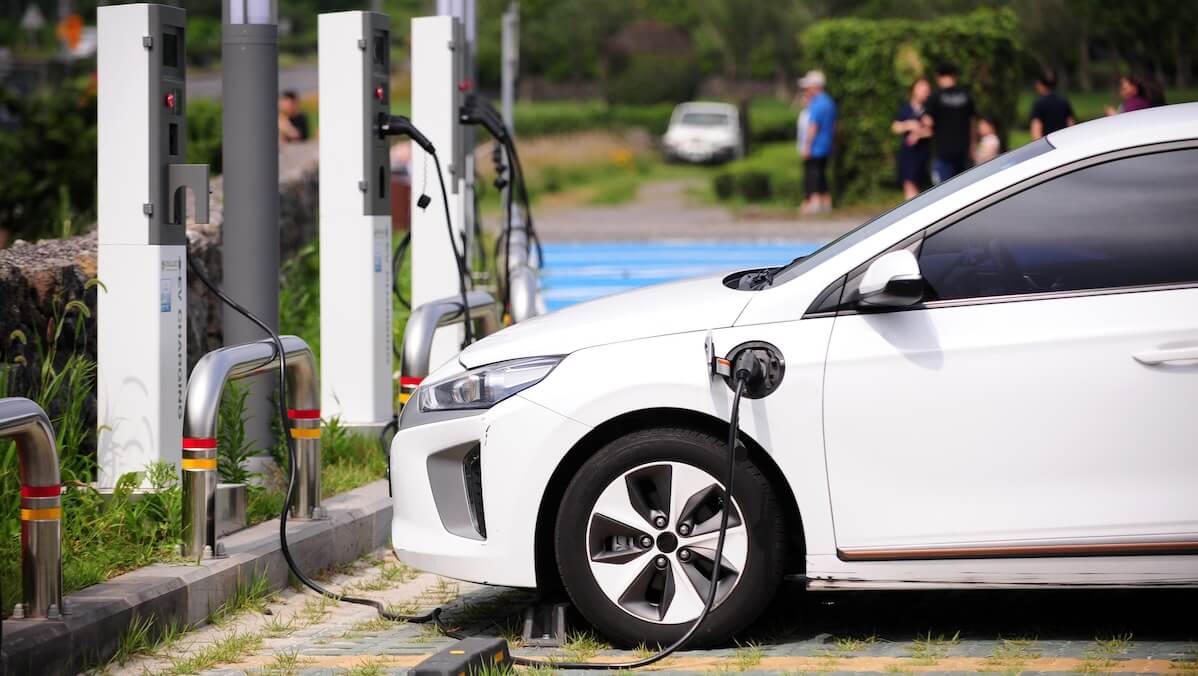
Cities are where most people live—and where most energy is used, pollution is created, and climate solutions can make the biggest difference. The way we design buildings and move around urban spaces directly affects air quality, emissions, and quality of life. Today, a new generation of technologies is helping cities become cleaner, quieter, and more efficient. The most impactful solutions
Waste and Materials Technologies
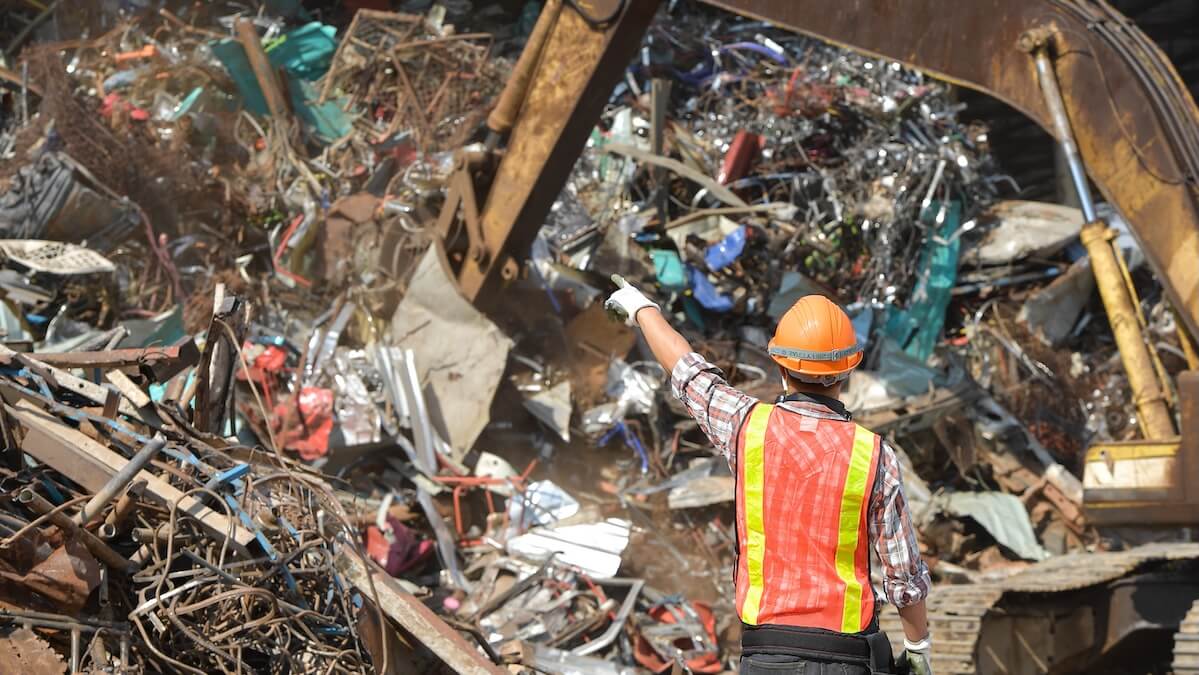
The world produces billions of tons of waste every year—from plastic packaging to discarded electronics and industrial byproducts. Managing this waste is one of the biggest environmental challenges today. Fortunately, new technologies are helping us reduce, reuse, and rethink waste in smarter ways. The most impactful solutions are those already working at scale: recovering valuable materials, reducing landfill use, and
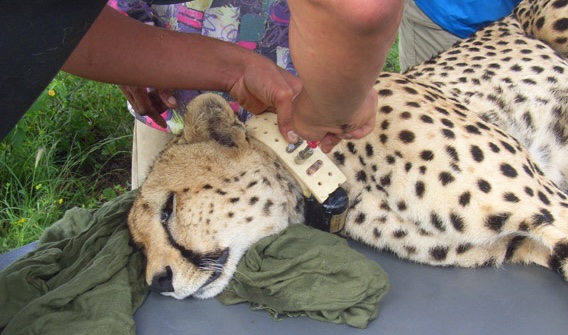
Wildlife and Biodiversity Conservation Technologies
Protecting wildlife today is no longer just about fences and protected areas. It increasingly depends on smart technologies that help us monitor animals, prevent threats, and preserve species more effectively. From GPS collars tracking migration to AI-powered cameras spotting poachers, these tools give conservationists a new level of awareness and control. The most impactful technologies are already being used in
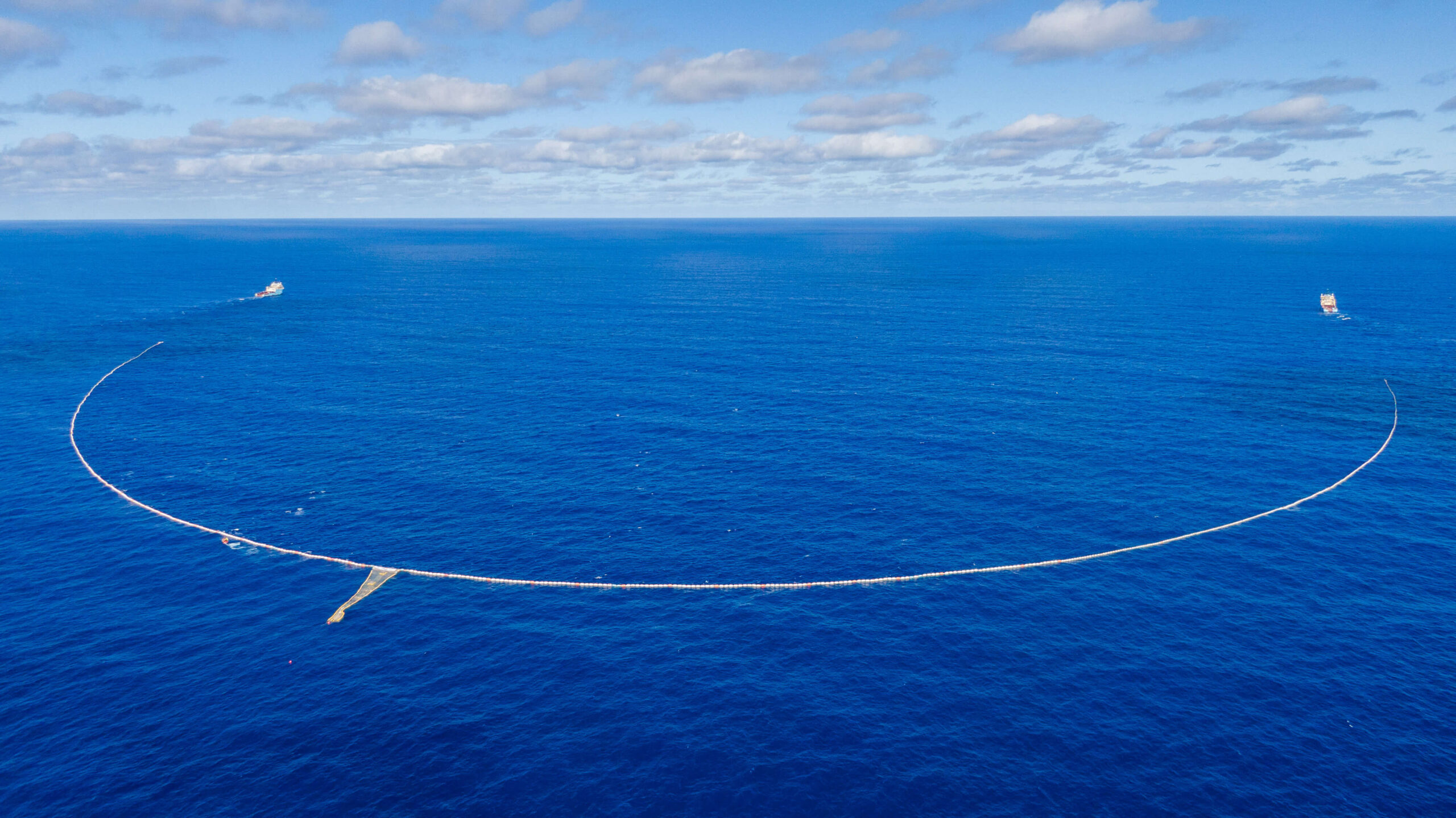
Oceans and Marine Ecosystem Technologies
The ocean covers more than 70% of Earth’s surface, yet it is under increasing pressure from pollution, overfishing, and climate change. Protecting it requires more than awareness—it requires smart, effective technologies that help us observe, protect, and restore marine ecosystems. The most impactful solutions today are not just experimental ideas. They are already being used in real-world conditions—from fish farms
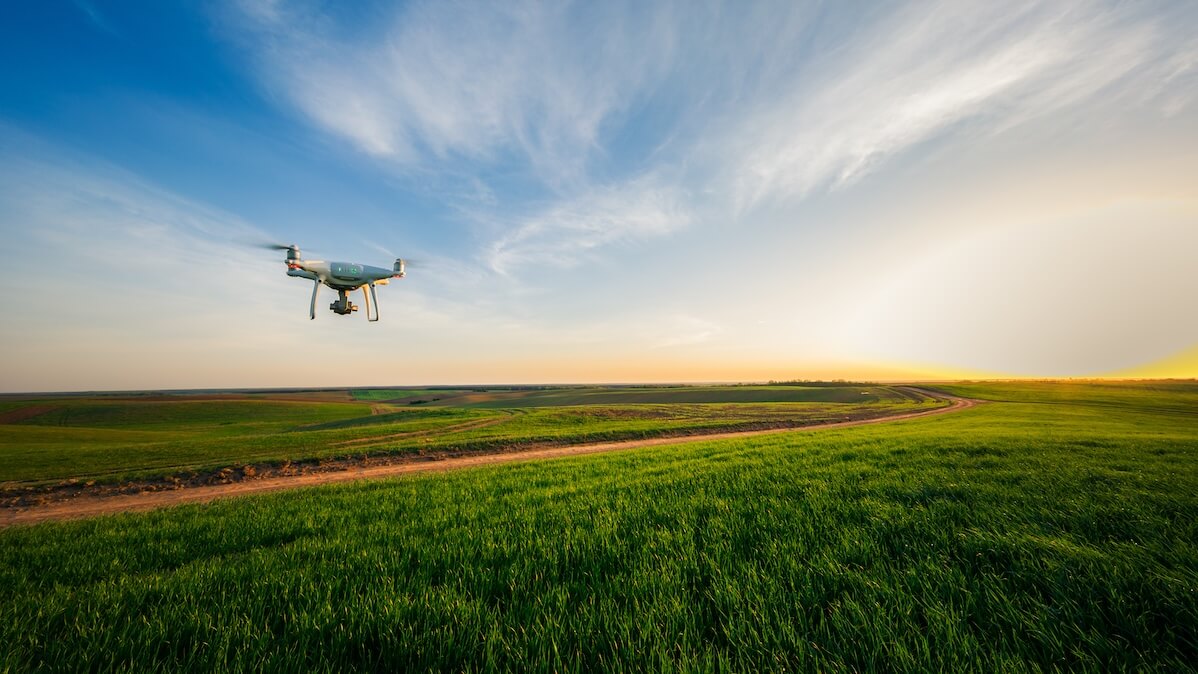
Agriculture and Food System Technologies
Feeding the world without damaging the planet is one of the biggest challenges we face today. Farming must produce more food, but with less water, fewer chemicals, and healthier ecosystems. The good news is that agriculture is evolving fast. A mix of modern technology and nature-based approaches is helping farmers grow food more efficiently while protecting soil, water, and biodiversity.
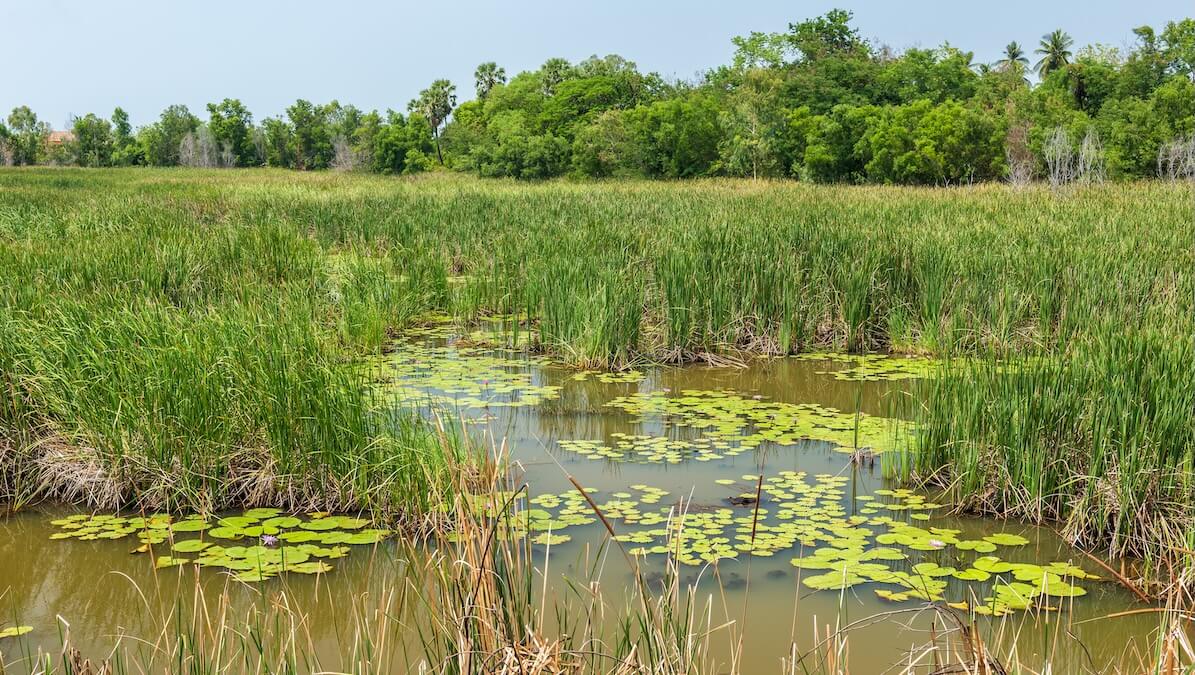
Water and Environment Technologies
If we want technologies that truly protect nature, water solutions need to do more than just provide clean water. The most effective ones solve multiple problems at once—securing water supply, reducing pollution, protecting ecosystems, and helping communities adapt to climate change. The most impactful technologies today are not necessarily the newest or most high-tech. They are the ones already working
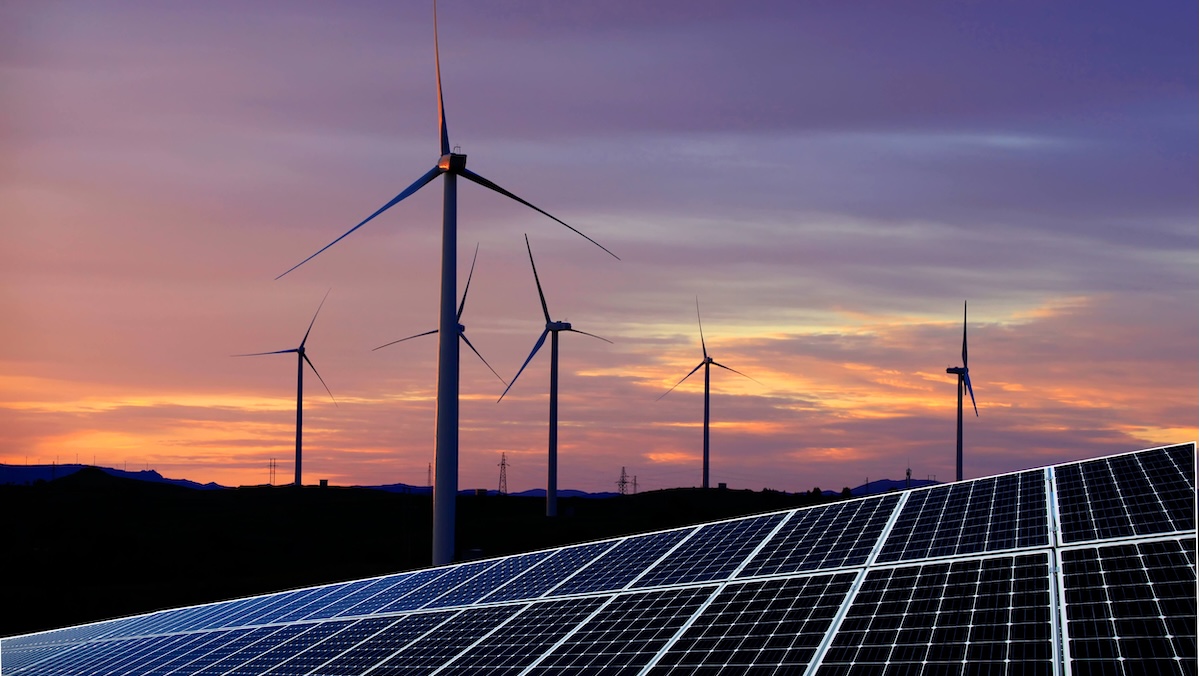
The Most Effective Clean Energy Technologies Today
If you’re trying to understand which energy technologies truly matter for protecting nature today, the picture is becoming clearer. The biggest real-world impact is coming from technologies that are already widely used, rapidly growing, and becoming more affordable—especially solar, wind, energy storage, and the smart systems that manage electricity efficiently. Other technologies still play important roles, but they are either
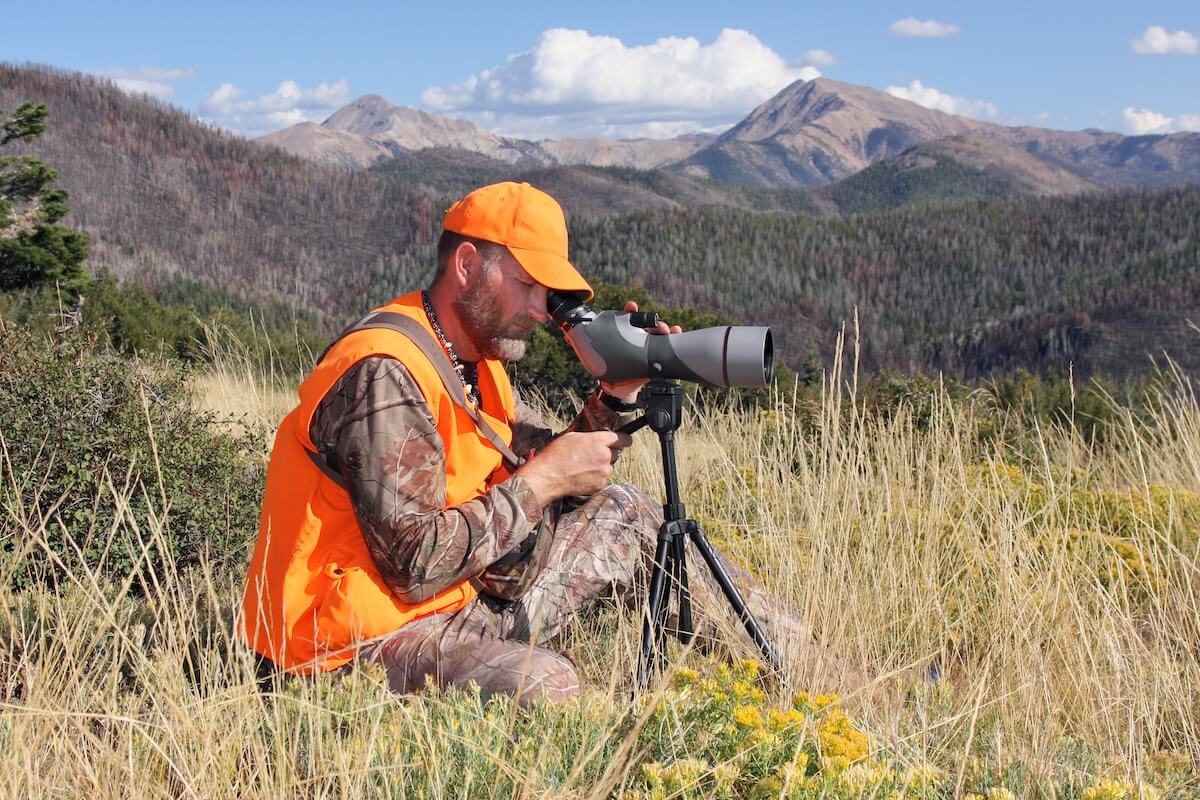
Best Nature Learning Tools for Adults
Adults can choose tools that support long-term learning, accurate observation, and consistent recording over time. Seeing Nature Better (Visual Discovery Tools) Premium Binoculars What you learn: Identifying species at a distance and observing behaviour without disturbance.Why it matters: Supports regular observation and long-term practice.Brands: Swarovski Optik, Zeiss, LeicaAlternative options: Nikon, Vortex Optics Spotting Scope What you learn: Observing distant wildlife
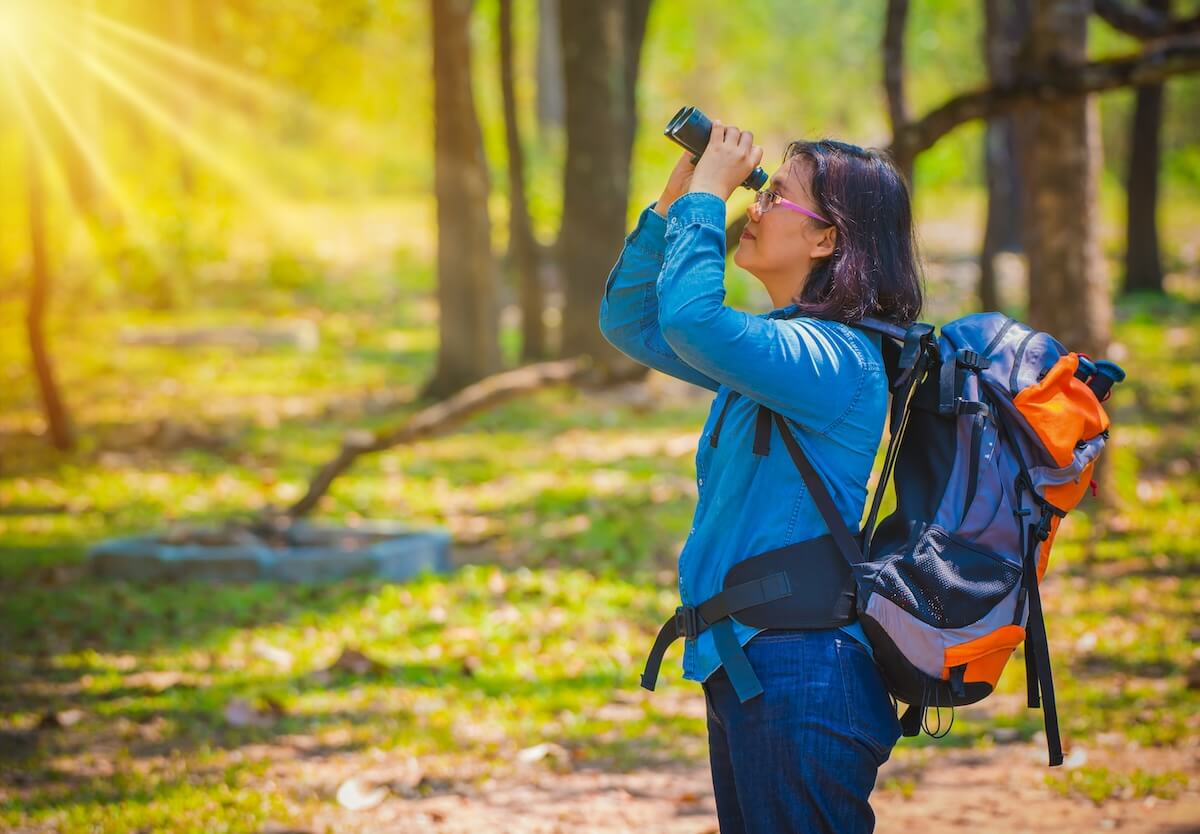
Best Nature Learning Tools for Teenagers (Ages 10–17)
Teenagers can work with more precise tools and follow structured observation and recording methods. This stage supports deeper learning, comparison, and long-term projects. Seeing Nature Better (Visual Discovery Tools) Mid- to High-Quality Binoculars What you learn: Identifying species more accurately, observing behaviour, and tracking seasonal changes from a distance.Why it matters: Builds consistent observation habits and field skills.Brands: Nikon, Vortex
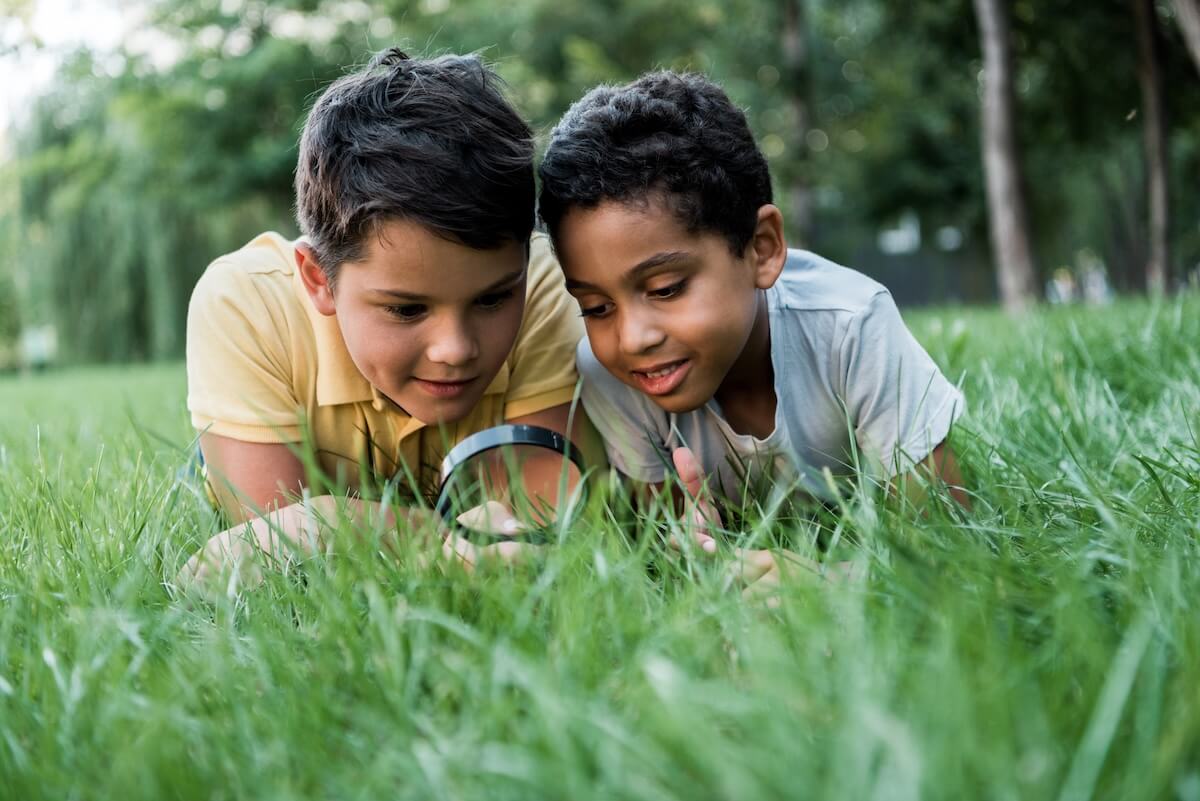
Best Nature Learning Tools for Children (Ages 5–9)
Children ages 5–9 begin to use nature tools more intentionally. At this stage, they can compare, measure, and record what they observe, building early naturalist skills. Seeing Nature Better (Visual Discovery Tools) Binoculars (first serious distance tool) Learning enabled: Identifying birds and mammals without approaching; noticing behaviour instead of just colour.Why it matters: Teaches respectful distance as a natural habit.
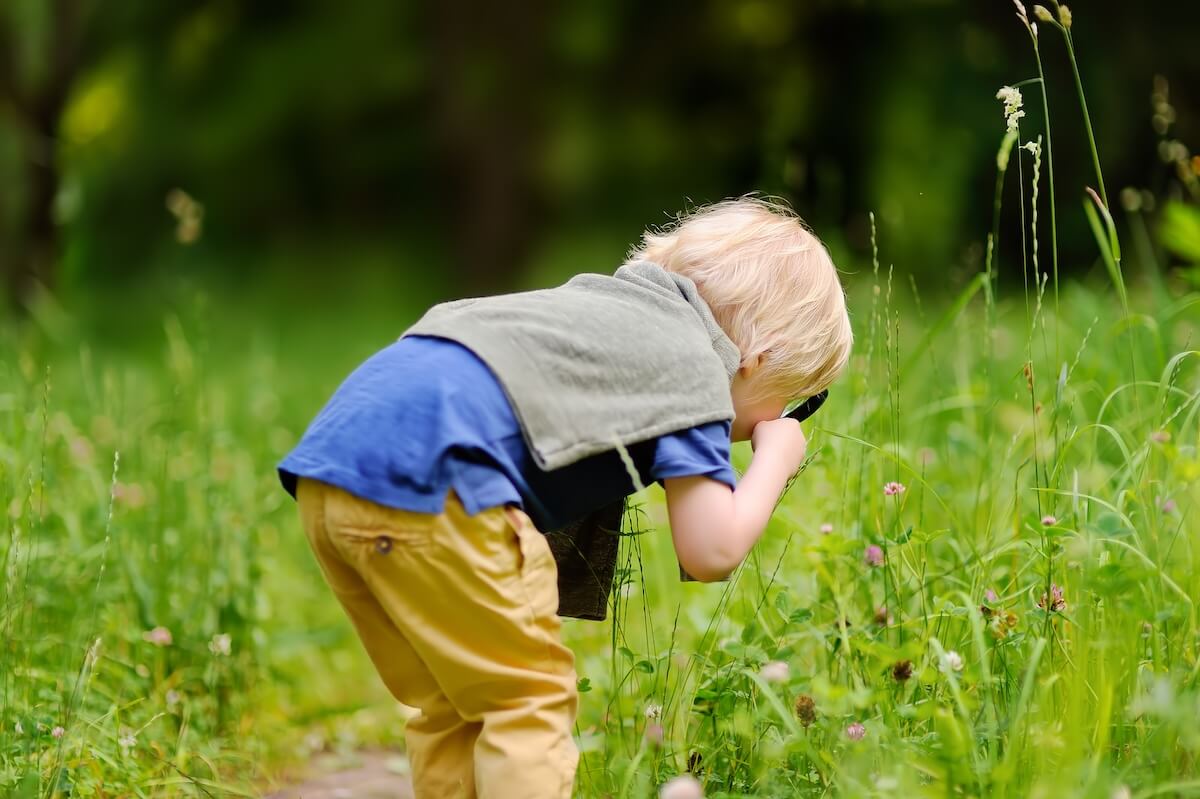
Best Nature Learning Tools for Toddlers (Ages 2–4)
Why Early Childhood Is the Perfect Time to Start Learning from Nature Children aged 2–4 thrive on short, high-wonder moments: “I looked → I discovered something new.” At this stage, the goal is not complexity but curiosity. The best nature learning tools are simple, durable, and sensory-rich, helping children notice patterns, textures, and changes in their environment. These early experiences