
Feeding the world without damaging the planet is one of the biggest challenges we face today. Farming must produce more food, but with less water, fewer chemicals, and healthier ecosystems. The good news is that agriculture is evolving fast. A mix of modern technology and nature-based approaches is helping farmers grow food more efficiently while protecting soil, water, and biodiversity.
The most important innovations today are not just about increasing production—they are about doing it smarter. The technologies at the top of this list are already making a real difference in farms across the world, from large-scale operations in North America to smallholder farms in Africa and Asia.
Precision Agriculture (AI and Drones)
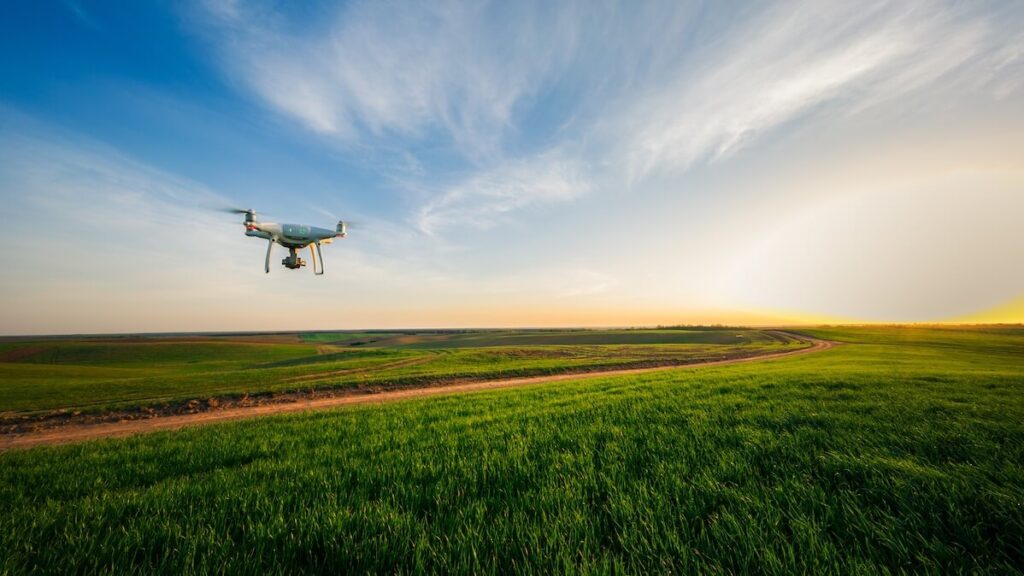
Precision agriculture uses advanced tools like drones, sensors, and artificial intelligence (AI) to manage crops with extreme accuracy. Instead of treating an entire field the same way, farmers can respond to the needs of specific areas—or even individual plants.
For example, drones can scan a wheat field and detect areas where plants are stressed due to lack of water or nutrients. Then, targeted systems apply fertilizer or irrigation only where needed. This reduces waste and improves crop health.
The impact is significant. Farmers can increase yields by around 15–20% while reducing water and fertilizer use. It also lowers pollution, since fewer chemicals run off into rivers. In places like the U.S. Midwest or European farmlands, this approach is already becoming standard practice.
Regenerative Agriculture Technology
Regenerative agriculture focuses on restoring soil and ecosystems rather than just extracting from them. It includes practices like cover cropping, reduced tillage, crop rotation, and managed grazing.
Instead of relying heavily on synthetic fertilizers, these systems build soil health naturally. For example, planting cover crops during the off-season protects soil from erosion and adds nutrients back into the ground.
Healthy soil acts like a sponge—it holds more water, supports beneficial microbes, and helps crops survive extreme weather. It also stores carbon dioxide (CO₂), turning farmland into a natural climate solution.
This approach is already being used in regions like the U.S., Europe, and Australia, where farmers are seeing improved yields over time while reducing environmental damage.
Plant-Based Food Alternatives
Plant-based foods are designed to replace meat and dairy using ingredients like peas, soy, oats, or wheat. Products such as plant-based burgers or milk alternatives aim to replicate the taste and texture of animal products.
For example, pea protein can be processed to create textures similar to chicken or beef. Fermentation techniques also help develop flavors that resemble traditional meat.
This matters because livestock farming—especially cattle—uses large amounts of land and water and produces methane, a strong greenhouse gas. Switching to plant-based options can significantly reduce environmental impact.
Across North America, Europe, and increasingly Asia, plant-based foods are becoming more common in supermarkets and restaurants, helping reduce pressure on natural ecosystems.
Soil Carbon Sequestration
Soil carbon sequestration is the process of capturing carbon dioxide (CO₂) from the atmosphere and storing it in the soil. This happens naturally when plants grow and transfer carbon into their roots.
Farmers can enhance this process by using techniques like composting, cover cropping, reduced tillage, and adding biochar (a carbon-rich material made from plant waste).
The benefits are both immediate and long-term. Soils with higher carbon content retain more water and nutrients, making crops more resilient to drought and heavy rain. At the same time, this process helps reduce the amount of CO₂ in the atmosphere.
In practical terms, a well-managed farm can store hundreds of kilograms (or several hundred pounds) of carbon per hectare (2.47 acres) each year, turning agriculture into part of the climate solution.
Drought-Resistant Crops
Drought-resistant crops are specially developed to survive with less water. Scientists achieve this through traditional breeding and modern genetic techniques, including CRISPR (a gene-editing method).
For example, drought-tolerant maize varieties used in parts of Africa can produce reliable yields even during dry seasons. These crops often have deeper roots or improved water-use efficiency.
As global temperatures rise, droughts are becoming more frequent. These crops help farmers maintain food production under difficult conditions and reduce dependence on irrigation.
While not a complete solution, they are an important tool for improving food security in regions facing water shortages.
Smart Livestock Monitoring
Smart livestock monitoring uses sensors and data systems to track the health and behavior of farm animals. Devices like collars or ear tags measure movement, temperature, and feeding patterns.
For example, a sensor might detect that a cow is less active than usual—a possible early sign of illness. Farmers can respond quickly, improving animal welfare and reducing losses.
These systems also improve efficiency. Healthier animals produce more milk or meat with fewer resources. This reduces environmental impact, including methane emissions per unit of production.
This technology is already widely used in countries like New Zealand, the United States, and parts of Europe, where livestock farming is a major industry.
Vertical Farming
Vertical farming grows crops indoors in stacked layers, often inside buildings in cities. Plants are grown under LED lights using hydroponics (growing plants in water) or aeroponics (growing plants in air with mist).
This method uses up to 90–95% less water than traditional farming and eliminates the need for pesticides. Because farms can be located close to consumers, transportation distances are reduced.
For example, leafy greens grown in a vertical farm can reach local stores within hours instead of traveling hundreds of kilometers (miles).
However, vertical farming requires electricity for lighting and climate control, so its environmental benefits depend on using clean energy. It works best for high-value crops like lettuce, herbs, and berries.
Aquaponics Systems
Aquaponics combines fish farming with plant cultivation in a closed-loop system. Fish waste provides nutrients for plants, and the plants clean the water for the fish.
For example, tilapia (a common farmed fish) can be raised alongside crops like lettuce or basil. The system continuously recycles water, making it highly efficient.
Aquaponics uses significantly less water than traditional agriculture and produces both protein and vegetables in one system. It is especially useful in urban areas or regions with limited farmland.
While more complex to manage, it offers a sustainable way to grow food locally with minimal waste.
Insect Protein Farming
Insect farming produces protein from species like crickets, mealworms, or black soldier flies. These insects convert feed into protein very efficiently.
For example, black soldier fly larvae can be raised on food waste and processed into animal feed. Cricket flour is also used in protein bars and snacks.
Insects require far less water and land than traditional livestock and grow quickly. However, the environmental benefits depend on how farms are powered and managed.
Today, insect protein is mainly used in animal feed, but it is slowly becoming part of human diets in some regions.
Lab-Grown Meat (Cultured Meat)
Lab-grown meat, also called cultured meat, is produced by growing animal cells in controlled environments instead of raising animals. The process takes place in bioreactors, where cells multiply and form muscle tissue.
The result is real meat—such as chicken or beef—without slaughtering animals. This technology has already been approved for limited sale in places like Singapore.
In theory, it could reduce land use, water use, and methane emissions. However, current production is energy-intensive and expensive.
At this stage, lab-grown meat is still experimental. While it holds long-term potential, it is not yet a large-scale solution. For now, it remains one of the most interesting—but still developing—innovations in the future of food systems.