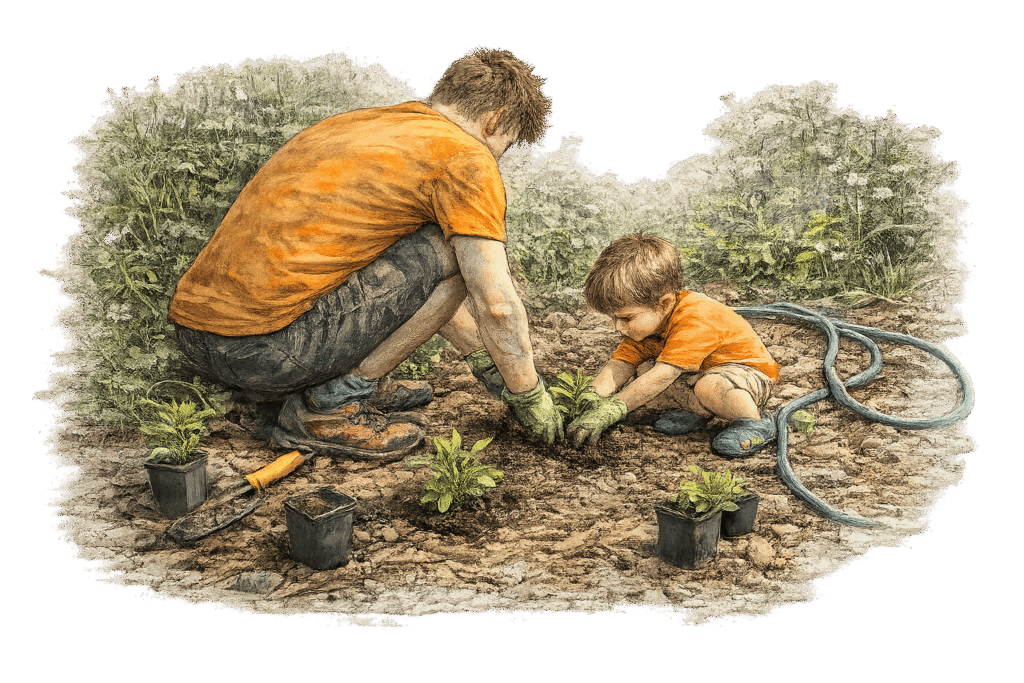
Raising Little Naturalists
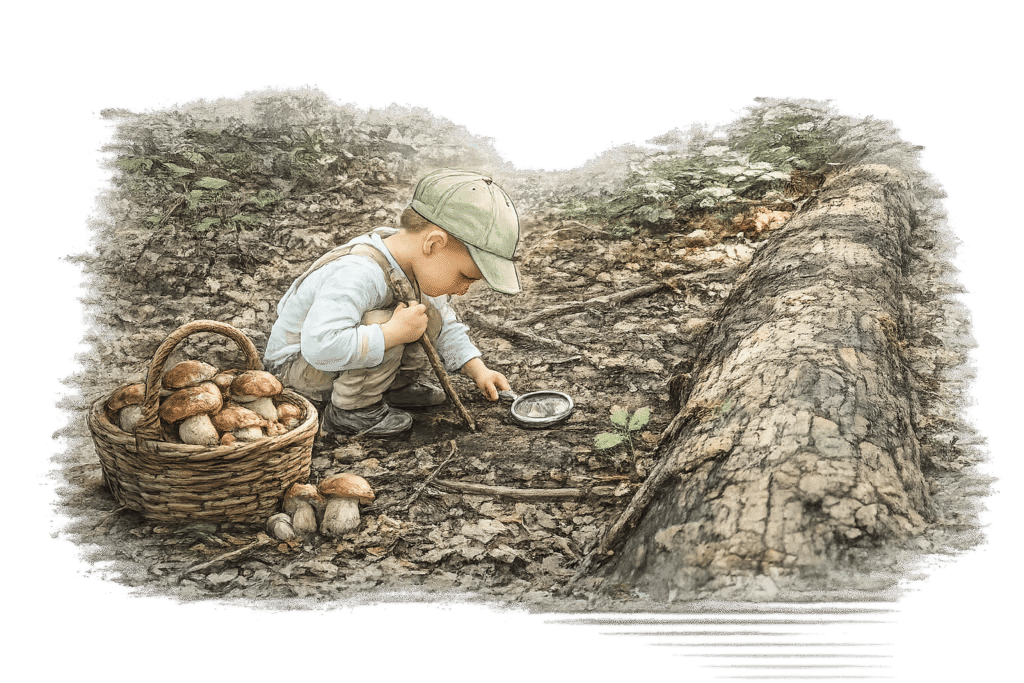
Children develop a lifelong appreciation for nature when they are encouraged to explore, observe, and ask questions about the living world around them. Meaningful outdoor experiences help build curiosity, scientific thinking, confidence, and respect for wildlife from an early age.
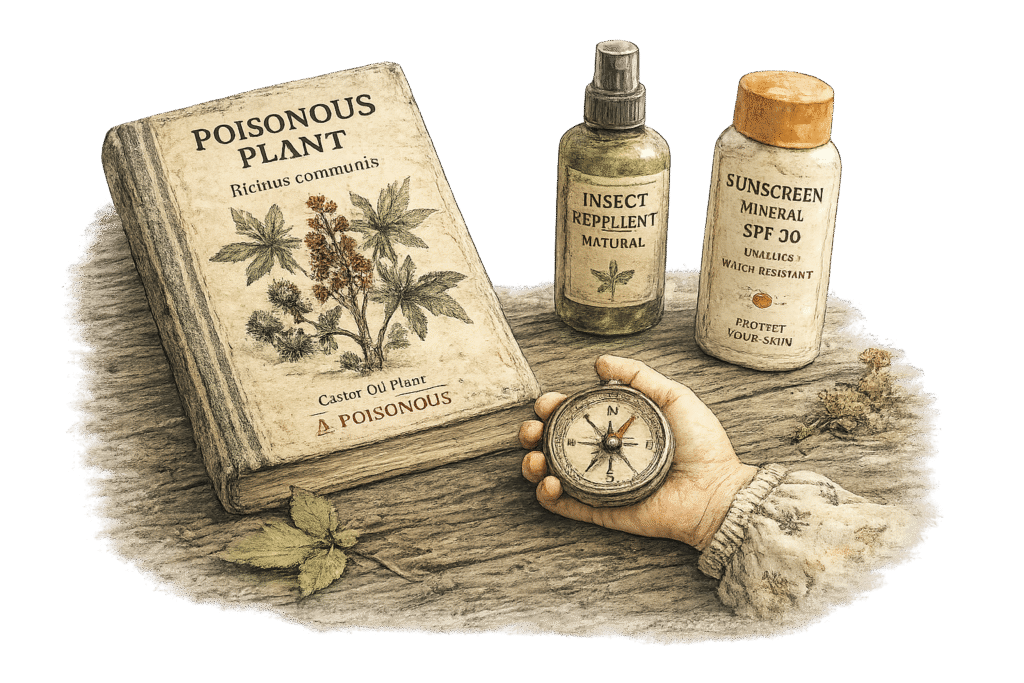
This guide explores practical ways to support nature-based learning for different ages, helping families create engaging outdoor experiences that strengthen observation skills, environmental awareness, and a lasting connection with nature.

Cultivated Red Meat
Cultivated red meat is produced by growing muscle cells from animals such as cattle or pigs in bioreactors to create beef or pork without slaughter. The goal is to replicate conventional meat while reducing environmental impact and animal use.

Cultivated Poultry
Cultivated poultry is chicken, duck, or other bird meat grown from avian cells in controlled bioreactors. It is one of the most advanced cultivated meat segments, with some limited regulatory approvals already granted.

Cultivated Seafood
Cultivated seafood is created by growing fish or shellfish cells to produce edible tissue without fishing or aquaculture. It aims to address overfishing, ocean pollution, and supply instability in the seafood industry.


Cultivated Dairy
Cultivated dairy involves producing real milk proteins such as casein and whey through cell culture or biotechnology instead of using cows. These proteins can then be used to make milk, cheese, yogurt, and other dairy products.

Cultivated Eggs
Cultivated eggs focus on producing key egg proteins like ovalbumin using cultured cells or bioengineered systems. These proteins are primarily used as functional ingredients for baking and food manufacturing.

Cultivated Leather
Cultivated leather is produced by growing animal skin cells or collagen structures to form leather-like materials without raising or slaughtering animals. It aims to provide sustainable alternatives for fashion and upholstery industries.

Cultivated Silk
Cultivated silk is made by producing silk proteins through biotechnology rather than farming silkworms. The proteins are spun into fibers that mimic or enhance the strength and texture of natural silk.

Cultivated Pet Food
Cultivated pet food uses meat grown from animal cells to create real meat ingredients for dog and cat food. The sector is expected to commercialize earlier than human cultivated meat due to simpler regulatory pathways.