
Digital technologies are becoming essential tools for understanding and protecting the natural world. From satellites orbiting Earth to artificial intelligence analyzing climate patterns, these systems give us the ability to observe environmental changes at a global scale and respond faster than ever before.
The most impactful digital solutions are those already in use—providing real-time data, improving predictions, and making environmental systems more transparent and manageable. Below are the key technologies shaping how we monitor and protect the planet.
Environmental Monitoring Satellites
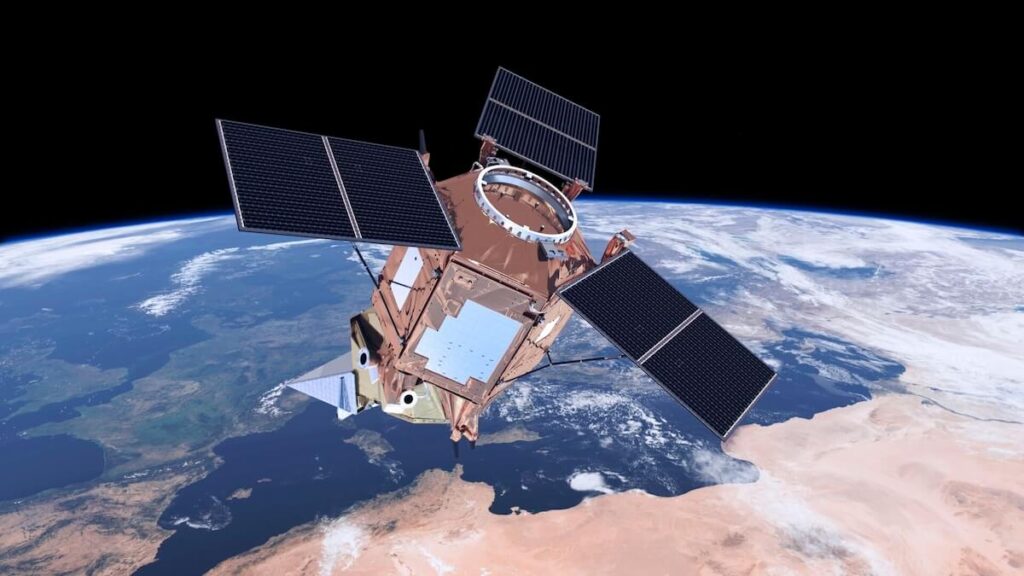
Environmental monitoring satellites orbit Earth and continuously collect data about land, oceans, and the atmosphere. They measure temperature, vegetation health, sea levels, air pollution, and more.
These satellites provide a global view of environmental change. For example, long-term satellite data clearly shows rising global temperatures, shrinking polar ice, and shifting forest cover.
They are also critical for real-time monitoring. Modern weather satellites track hurricanes, wildfires, and air pollution as they happen, helping governments respond quickly.
This matters because accurate data is the foundation of environmental action. Without reliable measurements, it would be nearly impossible to track climate change or evaluate solutions. Today, satellite systems from multiple countries form the backbone of global environmental monitoring.
AI for Climate Prediction and Optimization
Artificial intelligence (AI) is transforming how we predict and manage environmental systems. AI models can process massive datasets much faster than traditional methods, improving both speed and accuracy.
In weather forecasting, AI systems can generate global predictions using only a fraction of the computing power required by older models. This allows faster updates and better forecasting of extreme events like hurricanes.
AI is also used to optimize renewable energy systems. For example, machine learning models can predict wind farm output up to 36 hours (about 1.5 days) in advance, helping operators use energy more efficiently.
This matters because better predictions lead to better decisions—whether it’s preparing for storms, managing water resources, or balancing energy supply and demand.
Blockchain for Supply Chain Transparency
Blockchain is a digital system that records transactions in a secure and unchangeable way. In environmental applications, it is used to track the origin and movement of products through supply chains.
For example, timber, food, and minerals can be tracked from their source to the final product. This ensures that materials come from legal and sustainable sources.
In practice, blockchain systems can reduce the time needed to trace a product’s origin from days to seconds. This is especially important during food safety issues or when verifying environmental claims.
This matters because transparency reduces illegal activities like deforestation and helps consumers and companies make more responsible choices.
Digital Twins for Ecosystems
A digital twin is a virtual model of a real-world system that updates continuously using live data. In environmental science, digital twins are used to simulate ecosystems and predict how they will respond to different conditions.
For example, a digital twin can model animal migration patterns using GPS tracking data and weather information. This allows scientists to predict where species will move over time.
More advanced systems simulate entire ecosystems. These models can test how changes—such as drought, land use, or conservation efforts—affect biodiversity and ecosystem health.
This matters because digital twins allow researchers and policymakers to test decisions before applying them in the real world. Instead of trial and error in nature, solutions can be explored safely in a virtual environment.