

Vow — Sydney, Australia
This company has taken a deliberately premium culinary route, commercialising cultivated meat first as “new” gourmet items (including pâté/foie-gras-style products) derived from Japanese quail cells. Its target market is high-end foodservice where novelty and price points can better match early production economics. The company describes starting from animal cells and cultivating them, then combining the cultivated component with chef-recognisable ingredients

GOOD Meat — Alameda, United States
This cultivated-meat brand focuses on cultivated chicken products, with early commercial strategy spanning limited foodservice and select retail experiments. A notable example is its “hybrid” retail product concept that used a small cultivated-chicken fraction blended with plant proteins to reduce cost while still delivering cultivated-meat value. Its technology is cultivated poultry cell culture: grow chicken cells in controlled conditions and

UPSIDE Foods — Berkeley, United States
The company’s public flagship is cultivated chicken intended for human consumption, initially showcased via controlled, high-end tasting contexts rather than mass retail. It targets consumers looking for “real meat” sensory properties with a new production method, and it has been positioned as one of the first movers in US cultivated poultry approvals. At a high level, its technology follows the

BioTech Foods — San Sebastián, Spain
This company is a cultivated-protein developer associated with large-scale ambitions via its corporate backing and facility buildout, positioning cultivated meat as an eventual commercial product rather than only pilots. Public reporting has described it as part of a strategy by major conventional-protein groups to hedge and expand into cultivated protein. Its approach, as described publicly, centres on growing animal cells

Ivy Farm Technologies — Oxfordshire, United Kingdom
Its product focus is cultivated beef in minced formats (e.g., burger mince), aiming for conventional meat eaters and mainstream food channels once regulation permits. The company positions cultivated mince as a pragmatic first step because it can fit existing recipes and supply chains more easily than early whole‑cut tissues. The company states it uses cultivated‑meat technology originating from University of Oxford to grow “real

Hoxton Farms — London, United Kingdom
This company’s lead product is cultivated pork fat positioned as a drop‑in ingredient to improve flavour, aroma, juiciness, and cooking performance in both hybrid meats and other foods where animal fat functionality matters. The core target market is B2B (food manufacturers and brands) that can incorporate small inclusion rates to create meaningful sensory upgrades without requiring “100% cultivated” products immediately. Its technology

Mosa Meat — Maastricht, Netherlands
The company is best known for cultivated beef intended for familiar minced-beef applications (e.g., burgers) as well as cultivated beef ingredients such as fat that can improve flavour and performance in blended products. Its “replace beef with beef” positioning is aimed at conventional beef consumers, with early commercialisation expected to start in tightly scoped formats rather than broad commodity beef

Mission Barns — San Francisco, United States
Its initial commercial products focus on cultivated pork fat as the flavour-and-mouthfeel driver, blended into end foods such as meatballs and other “hybrid” formats that combine cultivated fat with plant protein. The target market is mainstream meat eaters via familiar formats, with a near-term emphasis on foodservice and partner distribution rather than direct-to-consumer manufacturing. From a technology standpoint, the U.S. Food and Drug

Aleph Farms — Rehovot, Israel
The company’s flagship food product is a cultivated beef “steak” format marketed under its Aleph Cuts label, positioned for premium dining and “whole‑cut” applications rather than only minced products. Public communications emphasise an initial restaurant-led introduction in its home market, with additional geographies targeted via regulatory submissions and commercial partners. Technically, it grows beef from cow cells in controlled bioprocess conditions (bioreactors)
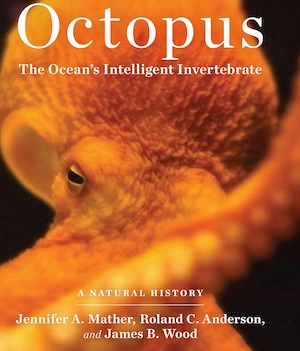
Octopus: The Ocean’s Intelligent Invertebrate by Jennifer A. Mather, Roland C. Anderson & James B. Wood
Octopus: The Ocean’s Intelligent Invertebrate by Jennifer A. Mather, Roland C. Anderson, and James B. Wood is a comprehensive natural history of one of the ocean’s most fascinating creatures. The book examines octopus anatomy, sensory systems, camouflage abilities, problem-solving skills, and complex behaviors, presenting them as highly intelligent invertebrates rather than simple marine animals. Drawing on decades of marine biology

Are We Smart Enough to Know How Smart Animals Are? by Frans de Waal
Are We Smart Enough to Know How Smart Animals Are? by Frans de Waal explores the evolution of intelligence across species and challenges the assumption that human cognition is the ultimate benchmark for measuring animal minds. Drawing on decades of research in primatology and animal behavior, de Waal presents evidence of problem-solving, empathy, cooperation, communication, and social awareness in species
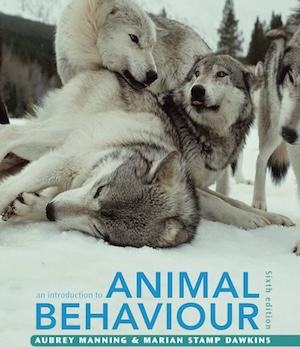
An Introduction to Animal Behaviour by Aubrey Manning & Marian Stamp Dawkins
An Introduction to Animal Behaviour (Sixth Edition) by Aubrey Manning and Marian Stamp Dawkins is a widely respected textbook that examines how and why animals behave the way they do. Grounded in evolutionary biology, the book explores key topics such as natural selection, learning, communication, social behavior, reproduction, and cooperation. The authors combine classical research with modern developments in behavioral