
Protecting wildlife today is no longer just about fences and protected areas. It increasingly depends on smart technologies that help us monitor animals, prevent threats, and preserve species more effectively.
From GPS collars tracking migration to AI-powered cameras spotting poachers, these tools give conservationists a new level of awareness and control. The most impactful technologies are already being used in real ecosystems—from African savannas to European forests—helping protect biodiversity at a scale that was once impossible.
Wildlife Corridors (Smart Infrastructure)
Wildlife corridors are protected pathways that connect separate habitats, allowing animals to move safely between them. This is essential for migration, breeding, and maintaining healthy genetic diversity.
For example, in the United States, large forest corridors spanning over 230,000 acres (about 930 square kilometers) allow species like bobcats and deer to move freely across fragmented landscapes.
Modern corridors often include smart features. Underpasses beneath highways guide animals safely across roads, while sensors and cameras monitor how animals use these routes. In some regions, amphibian tunnels have reduced road deaths significantly by giving frogs and salamanders safe passage during seasonal migrations.
These systems are especially important as climate change forces animals to shift their ranges. Without connected habitats, many species simply cannot survive.
GPS Tracking for Animals
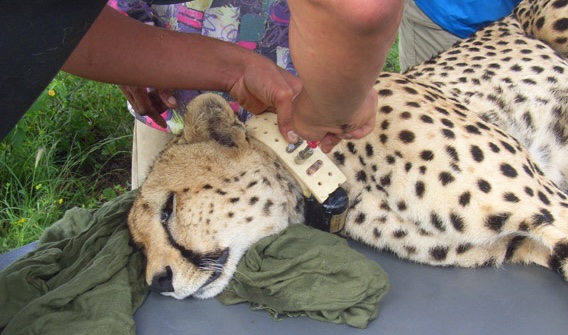
GPS tracking devices are one of the most widely used tools in wildlife conservation. Small transmitters attached to animals send location data via satellites, allowing researchers to follow movements in real time.
For example, birds of prey in Africa are fitted with solar-powered GPS tags that track migration routes across thousands of kilometers (miles). This helps identify critical feeding and nesting areas.
Tracking systems can also detect unusual behavior—such as an animal stopping suddenly—which may indicate poaching or injury.
Large global networks now track tens of thousands of animals, revealing migration patterns that were completely unknown just a decade ago. This information helps governments and organizations create better protected areas and reduce human-wildlife conflict.
AI Camera Traps (Species Recognition)
Camera traps have become much more powerful with the addition of artificial intelligence (AI). These devices automatically take photos or videos when movement is detected, and AI software identifies the species in the image.
Some advanced systems can even detect humans, vehicles, or weapons and send alerts in real time. This allows rangers to respond quickly to illegal activities like poaching.
AI also helps process massive amounts of data. Instead of manually reviewing thousands of images, software can identify animals in seconds, making research faster and more accurate.
In dense forests or remote areas, these cameras act like silent observers, capturing wildlife behavior without disturbing it.
Anti-Poaching Drones & Surveillance
Drones provide a powerful aerial view for conservation efforts. Equipped with high-resolution and thermal cameras, they can monitor large areas quickly and safely.
For example, drones in African reserves can detect animals or people even at night using thermal imaging. This allows rangers to respond immediately to threats.
In some regions, the use of drones has significantly reduced poaching rates. They are also used to track wildlife, monitor habitats, and assist in rescue operations after natural disasters.
By covering large distances—sometimes tens of kilometers (miles) in a single flight—drones extend the reach of conservation teams and improve safety.
Bioacoustics Monitoring
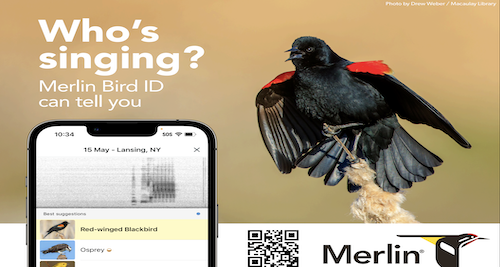
Bioacoustics monitoring uses sound to study wildlife. Microphones placed in forests or wetlands record animal calls, which are then analyzed using software.
This method can detect species that are difficult to see, such as birds hidden in dense forests or bats flying at night. Some systems can identify dozens of species based on their sounds.
For example, a single recorder in a tropical forest can monitor activity across several hectares (acres), capturing the calls of frogs, birds, and insects continuously.
Artificial intelligence (AI) is now used to recognize these sounds automatically, making large-scale monitoring possible. This helps scientists track biodiversity changes and detect threats like illegal logging or hunting.
Anti-Collision Systems (Bird Protection)
Bird collisions with wind turbines, buildings, and towers are a major threat to wildlife. New technologies aim to prevent these accidents.
One example is AI-based camera systems that detect birds approaching wind turbines. If a large bird, such as an eagle, is on a collision course, the system can temporarily stop the turbine.
Some systems can detect birds up to about 1 kilometer (0.6 miles) away and respond within seconds. This significantly reduces fatalities while allowing renewable energy systems to operate safely.
These technologies are becoming increasingly important as infrastructure expands into natural habitats.
Genetic Conservation (DNA Banks & Cloning)
Genetic conservation focuses on preserving the DNA of endangered species. This is done through biobanks, where cells, tissues, and genetic material are stored at very low temperatures.
These collections act as a backup for biodiversity. Even if a species declines dramatically, its genetic material can be used for research, breeding, or even cloning.
For example, frozen genetic samples collected decades ago have already been used to clone endangered animals and increase genetic diversity in small populations.
While still developing, this technology offers a powerful long-term safety net for species at risk of extinction.
These technologies are changing how conservation works. Instead of reacting to problems after they happen, we can now monitor ecosystems in real time, prevent threats, and even restore lost biodiversity.
The most effective conservation strategies combine these tools with strong environmental policies and local knowledge. Together, they give wildlife a better chance to survive—and thrive—in a rapidly changing world.