

Cities are where most people live—and where most energy is used, pollution is created, and climate solutions can make the biggest difference. The way we design buildings and move around urban spaces directly affects air quality, emissions, and quality of life.
Today, a new generation of technologies is helping cities become cleaner, quieter, and more efficient. The most impactful solutions are already being used at scale, improving transportation, reducing energy use, and making urban environments more livable. Below are the most important innovations shaping sustainable cities right now.
Electric Vehicles (EVs)
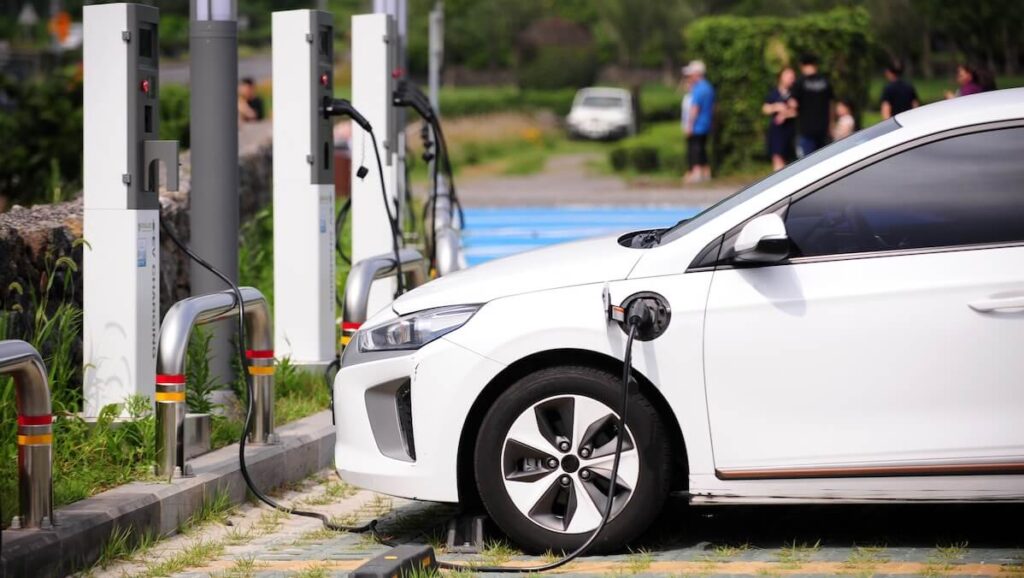
Electric vehicles (EVs) run on batteries instead of gasoline or diesel. They use electric motors powered by stored electricity, which means they produce zero emissions at the tailpipe.
EVs are significantly more energy-efficient than traditional cars. In practical terms, many EVs produce emissions comparable to a gasoline car that gets around 88 miles per gallon (about 37 kilometers per liter), depending on how clean the electricity supply is.
Their environmental impact improves even more as power grids shift toward renewable energy. In countries with cleaner electricity, EVs can reduce total greenhouse gas emissions by a large margin.
EVs matter because road transport is a major source of urban pollution. Switching to electric cars reduces smog, lowers noise levels, and cuts dependence on fossil fuels. Today, roughly 1 in 5 new cars sold globally is electric, showing how quickly this transition is accelerating.
Public Transport Electrification
Electrifying public transport means replacing diesel-powered buses and trains with electric ones. These vehicles run on batteries or overhead electric lines and can carry large numbers of passengers efficiently.
Electric buses, for example, can reduce fine particulate pollution by more than half compared to diesel buses. They also produce fewer greenhouse gas emissions and operate more quietly.
This shift has a strong impact because public transport operates continuously in dense urban areas. Cleaner buses and trains directly improve air quality where people live and work.
Cities around the world—from Santiago in Chile to Shenzhen in China—are rapidly expanding electric bus fleets. Over time, electric public transport also reduces operating costs, making it both an environmental and economic solution.
Low-Carbon Materials (Cement and Steel)
Cement and steel are essential for buildings and infrastructure, but their production is responsible for a large share of global carbon emissions.
Low-carbon materials aim to reduce this impact. For example, some technologies inject captured carbon dioxide (CO₂) into concrete, where it becomes permanently stored. Others replace fossil fuels with hydrogen in steel production, producing water instead of CO₂.
These innovations matter because every building, road, and bridge depends on these materials. Reducing emissions at this stage has a ripple effect across entire cities.
As construction continues worldwide, using lower-carbon materials can significantly reduce the environmental footprint of urban development.
Green Buildings
Green buildings are designed to use less energy and create healthier indoor environments. They combine passive design (like insulation and natural lighting) with efficient systems such as solar panels and smart climate controls.
Many green buildings use 20–30% less energy than conventional ones, and some achieve reductions of up to 50–60%.
This matters because buildings account for a large portion of global energy use. Reducing energy demand lowers emissions and also cuts costs for residents and businesses.
In addition, green buildings improve comfort, air quality, and resilience to extreme temperatures—making cities more livable as climates change.
District Heating and Cooling Systems
District energy systems provide heating or cooling from a central source to multiple buildings through insulated pipes.
Instead of each building having its own heating system, a single efficient plant supplies energy to an entire neighborhood. These systems can use renewable sources, waste heat, or large heat pumps.
In some countries, such as Denmark, district heating supplies more than 60% of building heat.
This approach improves efficiency and reduces emissions because centralized systems can optimize energy use more effectively than individual systems. It also allows cities to switch energy sources more easily over time.
Shared Mobility (Car and Bike Sharing)
Shared mobility services allow people to use vehicles only when needed instead of owning them. This includes car-sharing, bike-sharing, and ride-sharing platforms.
A single shared car can replace around 10–15 private vehicles, reducing the number of cars on the road.
This reduces congestion, lowers emissions, and decreases the need for parking space. It also makes transportation more accessible, especially in dense urban areas.
When combined with electric vehicles, shared mobility becomes even more effective in reducing environmental impact.
Smart Traffic Systems (AI Optimization)
Smart traffic systems use sensors and artificial intelligence (AI) to manage traffic flow in real time.
Instead of fixed traffic light schedules, these systems adapt to current conditions—reducing waiting times, fuel consumption, and emissions.
For example, AI-controlled intersections can reduce travel time by around 20–25% and waiting times by up to 40%.
This matters because smoother traffic means fewer idling engines and less pollution. It also improves safety and reduces stress for drivers and pedestrians.
Urban Green Infrastructure
Urban green infrastructure includes trees, parks, green roofs, and vertical gardens integrated into city design.
These natural elements help cool cities, reduce pollution, and manage stormwater. Green roofs, for example, can lower surface temperatures by up to 30°C (about 54°F) and significantly reduce building cooling needs.
Trees and vegetation also improve air quality by capturing pollutants and carbon dioxide.
Beyond environmental benefits, green spaces support biodiversity and improve mental and physical health for residents.
Hydrogen-Powered Transport
Hydrogen-powered vehicles use fuel cells to generate electricity from hydrogen gas. The only emission from this process is water vapor.
These vehicles are especially useful for heavy transport, such as trucks, buses, and trains, where batteries may be less practical due to weight or range limitations.
Hydrogen transport matters because it offers a zero-emission option for sectors that are difficult to electrify.
However, its impact today is limited by high costs and the need for clean hydrogen production and fueling infrastructure. As these challenges are addressed, hydrogen could play a larger role in sustainable transport systems.