
Best Conservation Documentaries (Updated 2026)
Wilding (2023) Category: Conservation Format: Standalone film Production: Independent UK production Narrator / Presenter: Featuring Isabella Tree, Charlie Burrell, and ecologists Main Focus: Rewilding on the Knepp Estate and the ecological recovery of farmed land. Based on the influential British rewilding story, this film follows how intensive farmland was allowed to become a more self-willed ecosystem. It
Best Climate & Environment Documentaries (Updated 2026)
The Future of Nature (2024) Category: Climate & Environment Format: Series Production: PBS / Terra Mater Studios / The WNET Group Narrator / Presenter: Uma Thurman Main Focus: How restoring ecosystems can support biodiversity, climate resilience, and human well-being. Rather than focusing only on loss, this series examines ecological recovery and the science of restoration. It is

Best Forest & Plant Documentaries (Updated 2026)
The Green Planet (2022) Category: Forests & Plants Format: Series Production: BBC Studios Natural History Unit / BBC Narrator / Presenter: David Attenborough Main Focus: Plant life as active, dynamic, strategic, and deeply intertwined with the rest of the biosphere. This series does for plants what major wildlife series did for mammals and birds: it makes them
Best Oceans & Marine Life Documentaries (Updated 2026)
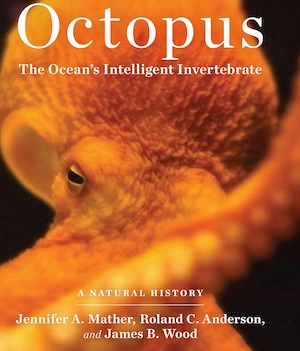
Secrets of the Octopus (2024) Category: Oceans & Marine Life Format: Series Production: National Geographic Narrator / Presenter: Narrated by Paul Rudd; featuring Alex Schnell Main Focus: The intelligence, camouflage, problem-solving, and life history of octopus species around the world. A focused, charismatic marine series that uses the octopus as an entry point into cognition, behavior, and
Best Wildlife & Animals Documentaries (Updated 2026)
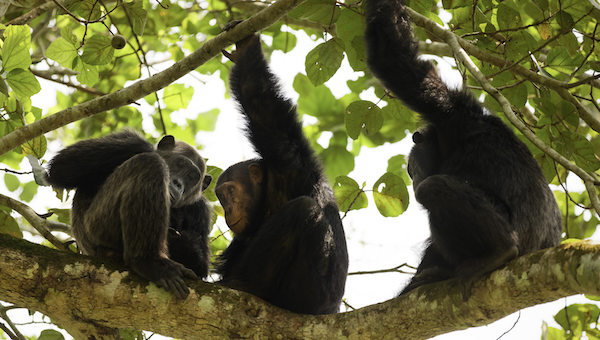
Mammals (2024) Category: Wildlife & Animals Format: Series Production: BBC Studios Natural History Unit / BBC Narrator / Presenter: David Attenborough Main Focus: The evolutionary success of mammals across land, sea, forest, deserts, cities, and the night world. Lives, behavior, and ecosystems of animals across the planet, revealing biodiversity and survival strategies in their natural environments. This
Friends & Family Pet Food Company — Singapore, Singapore
This company develops pet food products (treats and supplements) formulated with cultivated meat, prioritising nutrient optimisation and digestibility for cats and dogs. It positions cultivated meat as a way to improve the underlying protein source in pet foods, not simply replicate commodity meat inputs. Its technology is animal-cell cultivation in bioreactors, with the company describing cultivated meat production of muscle/fat/connective tissue outside

Bene Meat Technologies — Prague, Czech Republic
This company focuses on cultivated meat “biomass” intended for pet nutrition as an early commercial entry point, reflecting the comparatively faster path (and potentially higher willingness to adopt) in pet food versus human food. It has communicated that pet food is a pragmatic first market while the broader cultivated meat regulatory landscape evolves. Its technology is cultivated meat production at
BioCraft Pet Nutrition — Vienna, Austria
This company develops cultivated “mouse meat” (and other small‑prey species lines) as a pet-food ingredient, aligning with cats’ and dogs’ ancestral prey profiles. Its target customers include pet food manufacturers seeking stable, safe protein inputs and differentiated premium products, with an emphasis on cats as an early fit for mouse-based proteins. The technology is animal-cell cultivation: it develops cell lines

Meatly — London, United Kingdom
This company produces cultivated chicken as an ingredient for pet food, with early commercialisation in dog treats (e.g., small “bites”) rather than full dog meals. The strategy targets pet owners who want “real meat” nutrition without slaughter, and it leverages the pet-food channel as a faster regulatory and consumer-acceptance pathway than human food in the UK. Its technology cultivates chicken
Kraig Biocraft Laboratories — Ann Arbor, United States
This company develops recombinant spider silk fibres (e.g., “dragon silk” branding appears in public materials) targeting high-performance textile and industrial fibre applications. Its market is materials users seeking exceptional strength/toughness attributes and proprietary fibre performance. Unlike fermentation-first spider silk firms, it is known for genetic engineering approaches involving biological production systems that can express spider silk proteins at scale (often

Bolt Threads — United States
This company has developed recombinant spider-silk proteins (Microsilk) for textile applications, positioning biofabricated silk as a premium alternative material for apparel and fashion supply chains. Its target market has been fashion brands and material innovators seeking distinct performance and sustainability narratives. Its technology uses fermentation to produce spider-silk–like proteins, which are then processed into fibres/yarns. This allows production without spiders

AMSilk — Neuried, Germany
This company produces biotech silk protein materials sold as fibres/yarns and also as formulations for medical and consumer goods. Its target markets include textiles, performance materials, and biomedical applications where biocompatibility and customisable properties are valued. Its technology produces “man-made proteins” (spider-silk–inspired) and turns them into multiple material formats; this is generally achieved through industrial biotechnology (including fermentation-based protein production)