

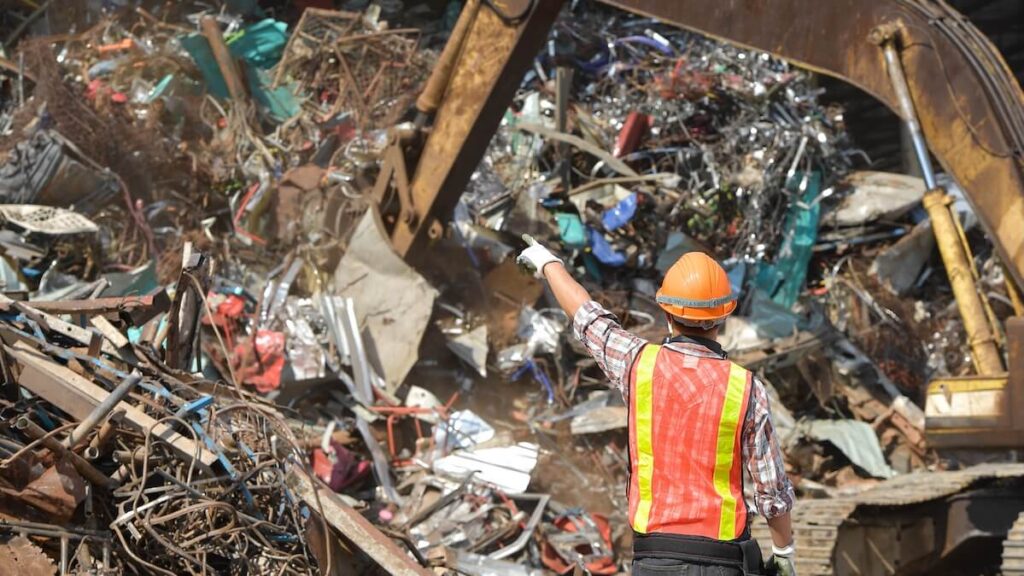
The world produces billions of tons of waste every year—from plastic packaging to discarded electronics and industrial byproducts. Managing this waste is one of the biggest environmental challenges today. Fortunately, new technologies are helping us reduce, reuse, and rethink waste in smarter ways.
The most impactful solutions are those already working at scale: recovering valuable materials, reducing landfill use, and designing products that create less waste from the start. Below are the most important technologies shaping a more sustainable, circular system.
E-Waste Recycling Technologies
Electronic waste, or e-waste, includes discarded phones, laptops, batteries, and other devices. It is one of the fastest-growing waste streams in the world.
Modern recycling systems break down these devices to recover valuable materials like gold, copper, and rare earth elements. For example, recycling just 1 ton (about 2,200 pounds) of mobile phones can yield around 1 kilogram (2.2 pounds) of gold.
This process also prevents toxic substances—like lead and mercury—from entering soil and water. Without proper recycling, these materials can cause serious environmental and health problems.
Globally, tens of millions of tons of e-waste are generated each year, but only a fraction is properly recycled. Advanced facilities now use chemical and mechanical processes to recover metals efficiently, reducing the need for new mining.
Waste-to-Energy Systems
Waste-to-energy (WtE) systems convert non-recyclable waste into electricity or heat. The most common method is controlled combustion, where waste is burned to produce steam that drives turbines.
A typical facility can reduce waste volume by up to about 85–90%, meaning 1,000 kilograms (2,200 pounds) of waste may shrink to around 100–150 kilograms (220–330 pounds) of ash.
This significantly reduces landfill use and helps lower methane emissions, which occur when waste decomposes in landfills.
Modern plants include advanced filtration systems to reduce air pollution. However, they still produce carbon dioxide (CO₂), so they are best used alongside recycling and waste reduction strategies—not as a replacement.
Biodegradable Materials
Biodegradable materials are designed to break down naturally through biological processes. Examples include plastics made from corn (polylactic acid, PLA) or bacteria-produced materials (polyhydroxyalkanoates, PHA).
These materials can reduce long-term pollution, especially in packaging and single-use products. Under proper composting conditions, they can decompose within months instead of persisting for hundreds of years.
However, they require the right conditions. In landfills without oxygen, some biodegradable materials may produce methane—a potent greenhouse gas.
When combined with proper composting systems, these materials can significantly reduce plastic waste and environmental impact.
Circular Economy Platforms
Circular economy platforms focus on keeping materials in use for as long as possible. Instead of throwing products away, they are reused, repaired, or recycled into new products.
For example, refill systems allow packaging to be returned, cleaned, and reused multiple times. Industrial platforms connect companies so that one factory’s waste becomes another’s raw material.
This approach reduces the need for new resources and prevents waste from accumulating. It also saves energy and lowers emissions associated with producing new materials.
Circular systems are increasingly used in industries ranging from fashion to manufacturing, helping shift the economy from “take–make–waste” to “reuse–regenerate.”
Plastic Alternatives
Plastic alternatives are materials designed to replace conventional plastics, especially for single-use items.
Examples include seaweed-based packaging, cellulose films made from plants, and starch-based materials. Seaweed is particularly promising—it grows quickly (often within 4–6 weeks) and can dissolve naturally without leaving harmful residue.
These alternatives reduce pollution because they break down more easily and come from renewable sources.
They are already being used in products like food packaging, straws, and bags. While not yet widespread, they represent an important step toward reducing global plastic waste.
Advanced Recycling (Chemical Recycling)
Advanced recycling, also known as chemical recycling, breaks plastics down into their basic chemical components. This allows them to be reused to create new materials, even if they are mixed or contaminated.
Processes like pyrolysis (heating without oxygen) convert plastic waste into oils or gases that can be reused.
However, this technology is still developing. Currently, it handles only a small percentage of global plastic waste, and some processes mainly produce fuel rather than new plastic.
While promising, chemical recycling is best seen as a complementary solution alongside traditional recycling and waste reduction.
Upcycling Technologies
Upcycling transforms waste materials into products of higher value. Instead of breaking materials down, it creatively reuses them.
For example, plastic bottles can be turned into textiles, and old fabrics can become new clothing. Reclaimed wood can be used to create furniture.
This approach reduces waste and saves the energy and resources needed to produce new materials. While often smaller in scale, upcycling encourages innovation and sustainable design.
It also raises awareness about waste, showing that materials we throw away can still have value.
Zero-Waste Manufacturing
Zero-waste manufacturing aims to eliminate waste entirely. In these systems, all materials are reused, recycled, or repurposed so nothing ends up in landfills.
Factories achieve this by redesigning processes, separating waste streams, and finding new uses for byproducts. For example, metal scraps might be recycled internally, while organic waste could be converted into energy.
Some facilities have successfully reduced waste from hundreds of tons per year to zero landfill output.
This approach reduces environmental impact, lowers costs, and encourages more efficient use of resources. It represents one of the most complete solutions to the waste problem—by preventing waste from existing in the first place.