Observation & Field Skills
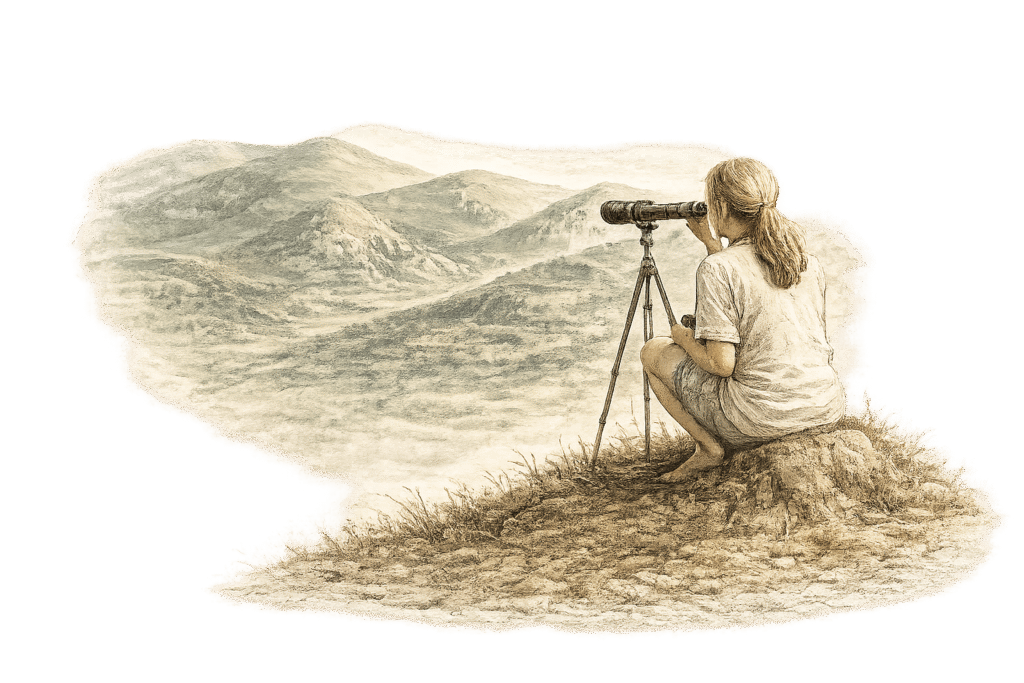
Learn the essential skills every naturalist needs to observe, document, and record nature using field techniques, practical equipment, and modern tools to better understand wildlife and ecosystems.
Species Identification
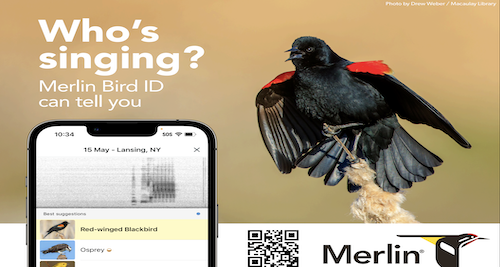
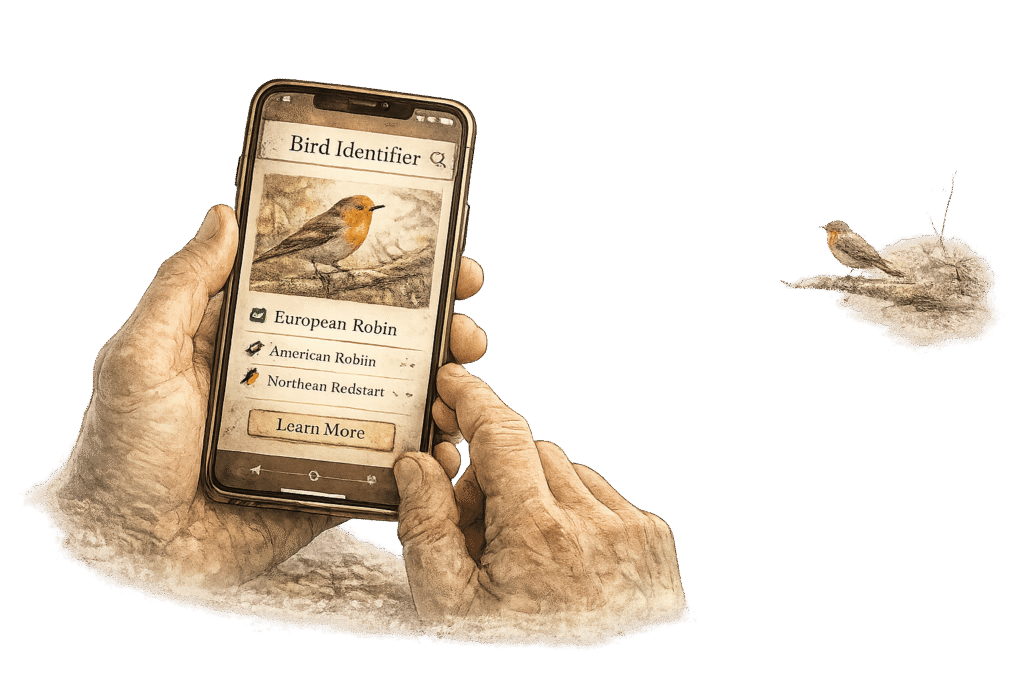
Learn how to identify birds, plants, fungi, insects, and animal tracks using reliable methods, field guides, and modern identification tools while avoiding common mistakes and confusion.
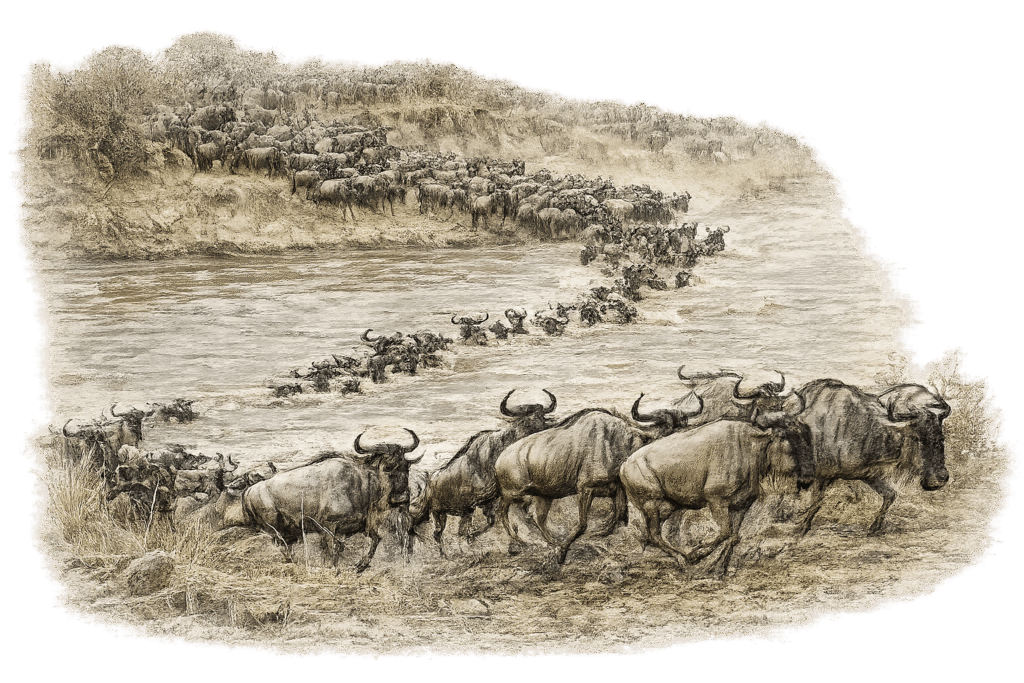
Wildlife Behavior
Discover how wildlife behaves throughout the seasons while exploring migration, pollination, food webs, predator-prey relationships, animal communication, and other natural processes that shape healthy ecosystems.
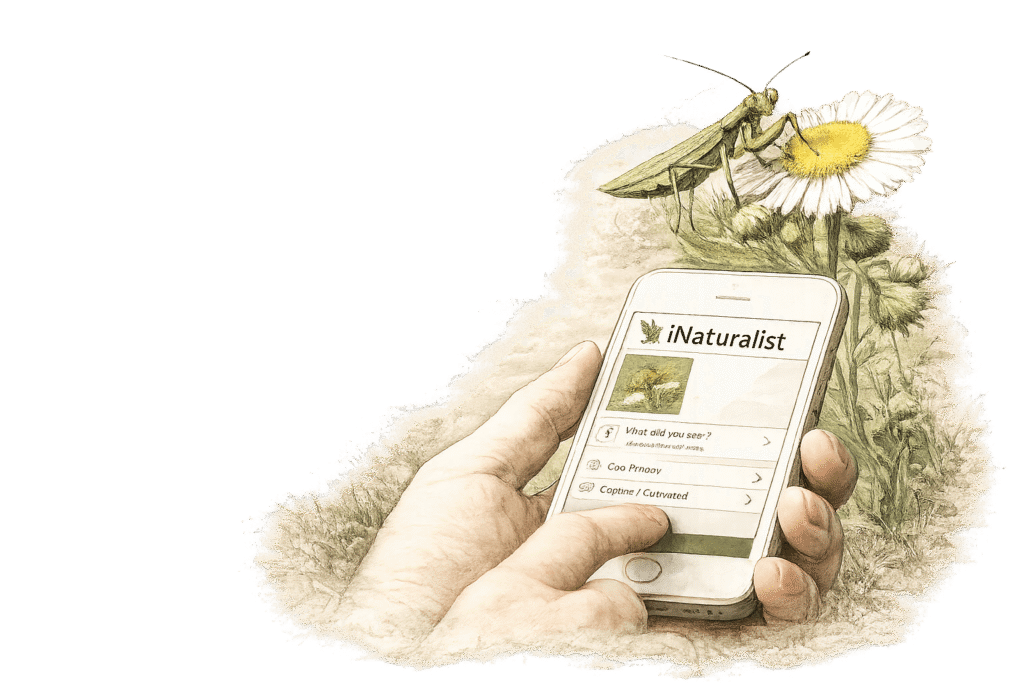
Scientific Thinking
Develop scientific observation skills, ask better questions, collect reliable nature data, and discover how citizen science projects help researchers study biodiversity, wildlife, and environmental change.
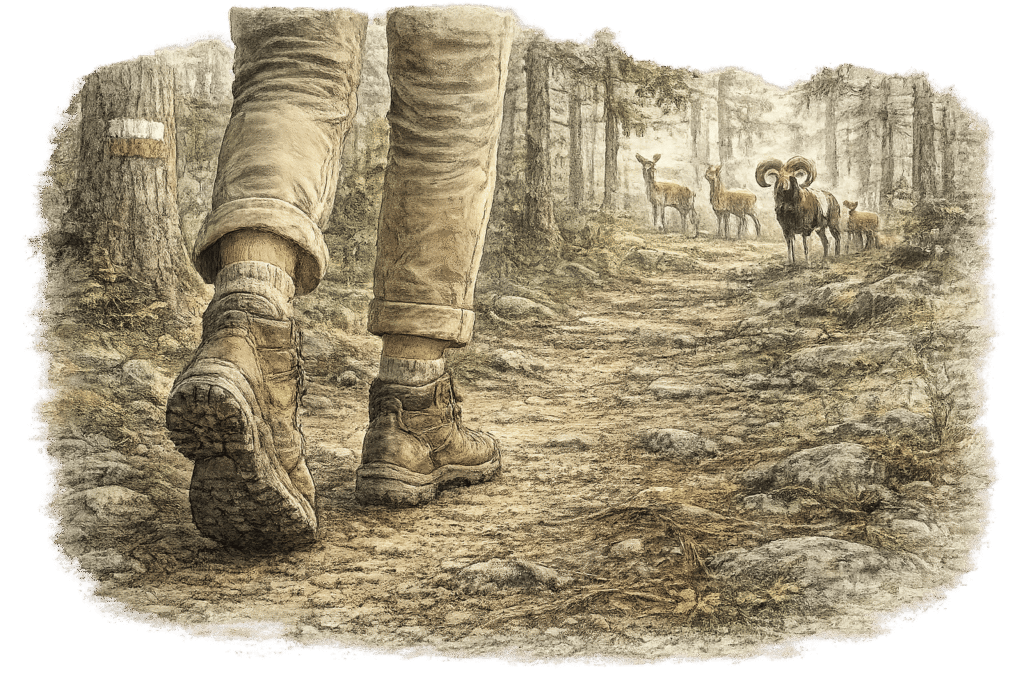
Outdoor Ethics & Safety
Learn ethical wildlife observation, responsible nature photography, Leave No Trace principles, and essential outdoor safety practices that protect wildlife, sensitive habitats, and everyone exploring the natural world.