
What is cultivated red meat? I still remember the feeling I had nearly 10 years ago when I first discovered the idea of cultured meat. At the time, one of the companies attracting attention was Memphis Meats, now known as UPSIDE Foods, and the technology felt almost unbelievable to me. The idea that real meat could potentially be produced without raising and slaughtering animals seemed like science fiction.
That reaction was deeply personal. I love animals and have always felt emotionally connected to them, from the smallest insects to the largest mammals. At the same time, I also genuinely love eating meat. For me, vegetarianism never felt like a realistic or complete answer. Cultivated meat appeared to offer something I had never seriously imagined before: the possibility that meat and animal welfare might not always have to exist in direct conflict.
For the first time, I felt like the guilt of eating meat was lifted from my shoulders. The idea that my existence, my diet, and my enjoyment of food might not have to come at the cost of another animal’s life affected me emotionally much more deeply than I expected. Even today, one of my biggest dreams is to taste cultured meat myself. I genuinely cannot wait for the moment when it becomes widely available.
That was where my curiosity about cultured red meat truly began.
But over the years, as the technology developed and I researched it more deeply, the subject became far more complicated than the early headlines suggested. What first looked like a simple ethical breakthrough slowly revealed itself as a much larger story involving biotechnology, climate debates, food systems, economics, regulation, psychology, agriculture, and public trust.
Some aspects of cultivated meat still feel scientifically exciting and emotionally hopeful to me. Others raise difficult questions that are far less straightforward than they initially appear. Can cultured meat realistically scale? Is it truly sustainable? Will people actually accept it? Could it reshape farming, or simply create another industrial food system?
This article is my attempt to follow those questions honestly, one layer at a time, and share the results of that curiosity journey with you.
Could cultured red meat realistically change humanity’s relationship with meat?
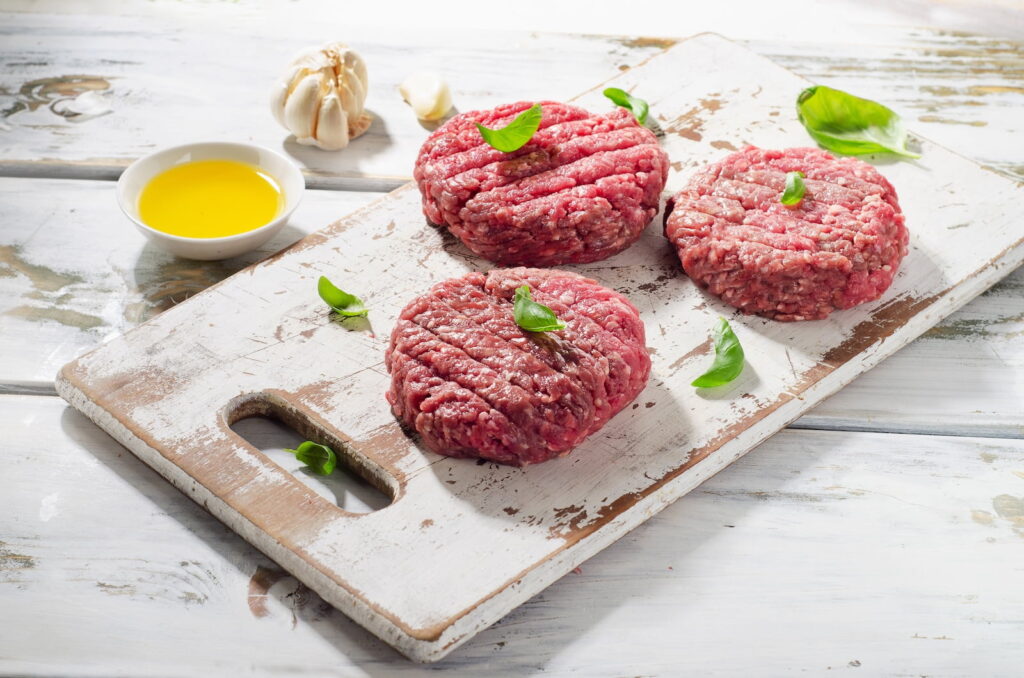
Cultured red meat is real animal meat grown from animal cells rather than produced by raising and slaughtering a whole animal. In the case of cultured beef, scientists take cells from cattle, grow them in nutrient-rich conditions, and try to form muscle and fat tissues that resemble conventional meat.
This makes the idea more disruptive than an ordinary meat substitute. Plant-based meat imitates meat from non-animal ingredients, but cultured meat tries to separate meat itself from the animal body. If it works at scale, it could change one of the oldest assumptions in human food culture: that eating meat requires breeding, feeding, confining, and killing large numbers of animals.
But “realistically” is the important word. Cultured red meat is still limited by cost, scale, regulation, energy use, consumer trust, and technical difficulty. It may become a meaningful part of future protein systems, but it is not yet proven as a global replacement for livestock.
What problems are scientists and companies actually trying to solve with cultured meat?
Scientists and companies are trying to solve several overlapping problems at once: animal slaughter, greenhouse gas emissions, land pressure, food security, antibiotic use, and the difficulty of convincing people to stop eating meat.
The central idea is not simply to invent a futuristic food. It is to ask whether meat can be produced with fewer animals, less land, and more control over the production process. Livestock production is deeply connected to land use, feed crops, manure, methane, water demand, and biodiversity pressure. Cultured meat is being explored because it may reduce some of these burdens while still giving consumers something biologically closer to conventional meat than plant-based alternatives.
This matters because many people do not want to give up meat, even when they understand the ethical or environmental problems behind it. Cultured red meat tries to work within that reality rather than against it.
If livestock farming already feeds billions of people, why search for another way to produce meat?
Livestock farming does feed billions of people, but feeding billions is not the same as being sustainable forever. Global food systems are under pressure from population growth, rising incomes, climate change, land degradation, water stress, and increasing demand for animal-source foods.
FAO has repeatedly warned that future food systems will need to produce enough nutrition while becoming more sustainable and resilient. The IPCC also identifies land use, agriculture, and food systems as central to climate mitigation and adaptation. Red meat is especially important because cattle production can require large areas of land and produces methane, a powerful greenhouse gas.
So the question is not whether livestock has value. It clearly does. The question is whether the world can keep expanding meat production in the same way without worsening environmental and ethical pressures. Cultured meat is one attempt to create another pathway.
Why has beef become the emotional and environmental center of the cultured meat debate?
Beef sits at the center of the debate because it is both culturally powerful and environmentally costly. It is tied to ideas of strength, tradition, prosperity, masculinity, national cuisine, barbecue culture, farming identity, and comfort food. That makes cultured beef emotionally more provocative than many other food technologies.
Environmentally, beef also attracts attention because cattle are linked to methane emissions, pasture expansion, feed production, and land-use change. This does not mean every cattle system has the same impact; grazing systems, feedlots, small farms, and mixed agricultural systems differ greatly. But in global discussions about meat and climate, beef often becomes the symbolic focus because its average environmental footprint is higher than many other protein sources.
That is why cultured beef is not just a biotechnology story. It is a story about whether society can rethink one of the most emotionally loaded foods humans eat.
If cultured meat succeeds, would it reduce animal slaughter or simply create another parallel food industry?
It could do either. Cultured meat has the potential to reduce slaughter if it replaces a meaningful share of conventional meat consumption. In theory, a small number of cell samples could support large-scale production without raising and killing animals for every serving of meat.
But success is not guaranteed to produce substitution. Cultured meat could also become an expensive parallel industry, sold in restaurants or wealthy urban markets while conventional livestock production continues growing elsewhere. That would reduce its ethical and environmental impact.
The real outcome will depend on price, scale, policy, consumer acceptance, and whether cultured meat competes directly with conventional beef rather than existing as a novelty product. This is why skeptical reviews are important: they remind us that cultured meat’s strongest promises depend on industrial realities that have not yet been fully demonstrated.
References
- Chriki S, Hocquette JF — The Myth of Cultured Meat: A Review
- FAO — Livestock’s Long Shadow: Environmental Issues and Options
- FAO — The Future of Food and Agriculture: Trends and Challenges
- IPCC — Climate Change and Land (Special Report)
- Tuomisto HL, Teixeira de Mattos MJT — Environmental Impacts of Cultured Meat Production
- Post MJ — Cultured Beef: Medical Technology to Produce Food
How does cultured red meat actually work?
Cultured red meat is produced by growing real animal cells outside the body in controlled environments designed to imitate some of the biological conditions that normally exist inside living tissue. Instead of raising and slaughtering an entire animal, scientists try to grow only the parts humans eat: mainly muscle and fat.
The process sounds deceptively simple at first. Cells are collected, fed nutrients, multiplied, and shaped into edible tissue. But once researchers moved beyond small laboratory experiments, they discovered that growing meat is not just a cell biology problem. It is also a challenge involving tissue engineering, industrial manufacturing, chemistry, nutrition, texture, and even architecture at microscopic scale.
The deeper scientists go, the more cultured meat starts resembling a new branch of bio-industrial engineering rather than a straightforward food technology.
How do scientists turn a small sample of animal cells into edible meat?
The process usually begins with a small biopsy taken from a living animal, often cattle in the case of cultured beef. Scientists isolate specific cells capable of growth and regeneration, especially muscle satellite cells or stem-like precursor cells. These cells are important because they can continue dividing under the right conditions and eventually form muscle tissue.
Once isolated, the cells are placed into nutrient-rich mixtures called growth media. The media contains amino acids, sugars, vitamins, minerals, salts, and growth factors that help the cells survive and multiply. Scientists then place the cells inside controlled environments where temperature, oxygen, acidity, and nutrient flow are carefully regulated.
At first, the goal is simply proliferation: increasing cell numbers. But meat is not just a pile of cells. Real muscle tissue has structure, alignment, blood-vessel support, connective tissue, fat distribution, and mechanical organization. This means researchers must eventually guide the cells into forming organized tissues rather than loose cellular masses.
That transition from “growing cells” to “building tissue” is where much of the difficulty begins.
Why is growing muscle tissue much more difficult than simply multiplying cells?
Cells multiplying in a laboratory is already common in biomedical science. But meat is not biologically meaningful because cells exist; it matters because of how those cells are organized.
Muscle tissue is highly structured. In animals, muscle fibers align in specific directions, interact with connective tissue, receive nutrients through blood vessels, and develop under constant mechanical forces from movement. Replicating that architecture outside the body is extremely difficult.
This is why cultured meat companies can often produce minced or ground-meat-style products more easily than realistic steaks. Burgers, sausages, or meatballs require less structural complexity. A steak, however, depends on layered muscle fibers, fat marbling, texture gradients, moisture retention, and thickness. Without those features, the product stops feeling like conventional meat.
Researchers are essentially trying to recreate parts of animal developmental biology inside industrial systems. That makes cultured meat closer to tissue engineering than ordinary food manufacturing.
What roles do growth media, scaffolds, and bioreactors play in building meat structure?
These three components form the technological foundation of cultured meat production.
Growth media acts as artificial nourishment for the cells. It supplies nutrients and biochemical signals needed for survival and growth. One of the industry’s biggest challenges is replacing fetal bovine serum (FBS), historically used in cell culture, with affordable animal-free alternatives suitable for large-scale food production.
Scaffolds provide physical structure. Cells naturally need surfaces and spatial guidance to organize into tissues. Scaffolds help align muscle fibers and support three-dimensional growth. Some scaffolds are edible and made from plant materials, collagen-like substances, or food-safe biomaterials.
Bioreactors are controlled vessels where cells grow at larger scale. These systems regulate oxygen, nutrient circulation, temperature, acidity, and sterility. In theory, bioreactors could eventually function like highly controlled miniature ecosystems for tissue growth. But scaling them from laboratory size to industrial meat production remains one of the field’s greatest engineering obstacles.
Together, growth media, scaffolds, and bioreactors attempt to replace some of the biological functions normally provided by an animal’s body.
Why is reproducing realistic steak texture and fat marbling still one of the industry’s biggest obstacles?
Texture may be the single most difficult challenge in cultured red meat.
Real steak is not biologically simple. Its sensory experience depends on aligned muscle fibers, connective tissue, fat distribution, moisture balance, elasticity, density, and microscopic structural variation. Fat marbling is especially important because it affects tenderness, aroma, flavor release, and mouthfeel during cooking.
Scientists can already grow muscle cells relatively well in thin layers or small masses. But reproducing thick, vascularized, steak-like tissues remains much harder because cells deep inside large tissues struggle to receive oxygen and nutrients without blood-vessel-like systems.
This creates a major divide between producing “meat” and producing convincing whole cuts of meat. Many experts believe processed products such as burgers will become commercially viable much earlier than realistic ribeye steaks or heavily marbled beef cuts.
The challenge is not only biological realism. It is also economic realism. Even if scientists can engineer convincing steaks in laboratories, producing them affordably and consistently at industrial scale is another problem entirely.
If scientists eventually master the process, could they begin redesigning meat itself?
Potentially yes. Once meat production becomes programmable at cellular level, scientists may gain the ability to modify nutritional composition, fat profiles, texture, or flavor in ways conventional livestock production cannot easily control.
Researchers have already discussed possibilities such as increasing omega-3 fatty acids, adjusting saturated fat levels, improving micronutrient profiles, or designing customized textures. In theory, cultured meat could become less dependent on the biological limits of whole animals.
But this possibility also raises philosophical questions. At what point does cultured meat stop being a replica of conventional meat and become a completely engineered food category of its own?
For now, most companies are still struggling to reproduce ordinary meat reliably and affordably. The industry remains focused on imitation before redesign. But if the technology matures, cultured meat may eventually shift from copying animals to editing and optimizing meat itself.
References
- Ben-Arye T, Levenberg S — Tissue Engineering for Clean Meat Production
- Bodiou V, Moutsatsou P, Post MJ — Microcarriers for Upscaling Cultured Meat Production
- Stout AJ et al. — Principles of Cell Proliferation and Differentiation for Cultured Meat
- Stephens N et al. — Bringing Cultured Meat to Market: Technical, Socio-Political, and Regulatory Challenges
- Datar I, Betti M — Possibilities for an In Vitro Meat Production System
- Good Food Institute — Cultivated Meat Technical Resources
- New Harvest — Cellular Agriculture Research Database
- Tufts University Center for Cellular Agriculture
Could cultured meat really become environmentally sustainable?
Cultured meat could become environmentally sustainable, but it is not automatically sustainable just because it avoids raising cattle. Its environmental value depends on how the meat is produced: the energy source, the efficiency of bioreactors, the ingredients in growth media, the scale of production, and whether it genuinely replaces high-impact conventional beef.
The strongest environmental argument for cultured red meat is that it could separate meat production from some of the most damaging parts of cattle farming: methane emissions, large land requirements, feed production, manure management, and deforestation pressure. But the strongest caution is that cultured meat may require energy-intensive industrial systems. If those systems run on fossil fuels or inefficient inputs, the benefits could shrink or even disappear.
So the honest answer is cautious: cultured meat has environmental potential, but its sustainability is still a scientific and industrial question, not a settled fact.
Why do cultured meat’s environmental promises remain scientifically uncertain?
Cultured meat’s environmental promises remain uncertain because most studies are based on models, projections, and future production scenarios rather than mature commercial factories. Large-scale cultured meat production barely exists today, so researchers must estimate energy demand, growth media inputs, bioreactor efficiency, water use, waste streams, and facility design.
That makes life cycle assessment difficult. A small change in assumptions can produce very different results. For example, if growth media becomes cheap and low-impact, and if factories use renewable electricity, cultured meat may compare favorably with beef. But if production requires high-purity ingredients, intensive cleaning, expensive bioreactors, and fossil-based energy, the environmental footprint could be much higher.
This is why the field contains both optimistic and skeptical studies. The disagreement is not simply ideological; it reflects uncertainty about what real industrial production will look like.
Could cultivated meat reduce land use, methane emissions, and deforestation linked to cattle farming?
Yes, cultivated meat could reduce land use, methane emissions, and deforestation pressure if it replaces a significant amount of conventional beef.
Cattle farming often requires large areas for grazing and feed production. In some regions, pasture expansion and feed crops are connected to habitat loss and deforestation. Cattle also produce methane, a greenhouse gas with strong short-term warming effects. Cultured meat would not require digestive methane emissions from living cattle, so it could avoid one of beef’s most important climate impacts.
The land-use argument is especially strong in theory. If meat can be grown in facilities rather than across vast landscapes, some land currently used for pasture or feed crops could potentially be restored, rewilded, or used for other food production.
But this benefit depends on actual substitution. If cultured meat simply adds more meat to the global food system while conventional beef production continues growing, the environmental effect would be much smaller.
If massive industrial bioreactors are required, could environmental damage simply move from farms into factories?
Yes, that is one of the main concerns. Cultured meat could reduce some farm-based impacts while creating new factory-based ones.
Instead of land, animals, manure, and feedlots, cultured meat would require bioreactors, sterile production systems, nutrient inputs, oxygen control, cooling, heating, cleaning, water, electricity, and waste management. This means the environmental burden may shift from agriculture to industrial biotechnology.
The key question is whether that shift is beneficial. Factories can be more controlled than farms, but they can also be energy-intensive. Humbird’s scale-up analysis is especially important here because it argues that animal cell culture may be harder and more expensive to scale than many public discussions assume.
So the environmental case for cultured meat cannot rely only on the absence of animals. It must also prove that the industrial replacement system is efficient, low-impact, and scalable.
How dependent is cultured meat on cheap renewable energy and industrial efficiency?
Cultured meat is highly dependent on both. Renewable energy matters because cultured meat production is expected to rely heavily on electricity and controlled industrial equipment. If that electricity comes from fossil fuels, carbon dioxide emissions could become a major problem.
Industrial efficiency is equally important. Efficient bioreactors, high cell densities, low-cost growth media, reduced contamination risk, and lower purification demands all affect the environmental footprint. If cultured meat needs pharmaceutical-style inputs or highly energy-intensive systems, it may struggle to beat conventional meat on sustainability.
Lynch and Pierrehumbert’s climate modeling is especially useful because it shows that methane from cattle and carbon dioxide from energy use behave differently over time. Methane is powerful but shorter-lived; carbon dioxide accumulates. This means cultured meat’s climate advantage depends strongly on whether its energy system is decarbonized.
Does cultured meat currently look more environmentally promising in theory or in real large-scale evidence?
At the moment, cultured meat looks more environmentally promising in theory than in real large-scale evidence.
The theoretical promise is real: less land, no cattle methane, fewer slaughtered animals, more controlled production, and possibly lower pressure on ecosystems. But the real-world evidence is still limited because the industry has not yet reached mature commercial scale.
Current environmental assessments are useful, but they are mostly anticipatory. They model future factories rather than measure an established global industry. Some studies suggest strong potential benefits under favorable conditions. Others warn that near-term production could be more resource-intensive than expected.
The most scientifically responsible conclusion is that cultured meat could become environmentally beneficial, especially compared with high-impact beef, but only if the technology matures in the right direction.
References
- Lynch J, Pierrehumbert R — Climate Impacts of Cultured Meat and Beef Cattle
- Sinke P, Odegard I — LCA of Cultivated Meat: Future Projections for Different Scenarios
- Humbird D — Scale-Up Economics for Cultured Meat
- Mattick CS et al. — Anticipatory Life Cycle Analysis of In Vitro Biomass Cultivation for Cultured Meat Production
- Risner D et al. — Environmental Impacts of Cultured Meat: A Cradle-to-Gate Life Cycle Assessment
Is cultured red meat biologically and nutritionally comparable to conventional meat?
Cultured red meat is biologically related to conventional beef because it is grown from real animal cells, not from plants or synthetic flavoring alone. In that sense, it is closer to ordinary meat than a plant-based burger. But “closer” does not mean identical.
Conventional beef is the result of a whole living animal: muscle, fat, blood supply, connective tissue, metabolism, movement, diet, hormones, aging after slaughter, and cooking chemistry. Cultured meat tries to recreate selected parts of that system outside the animal. That means its final nutrition, texture, color, and flavor will depend heavily on which cells are used, what nutrients are added to the growth medium, how fat is incorporated, and how the tissue is matured.
So cultured red meat may become biologically and nutritionally comparable to beef, but equivalence cannot simply be assumed. It has to be demonstrated product by product.
If cultured meat comes from real animal cells, how different is it from ordinary beef biologically?
Cultured meat begins with real animal cells, usually muscle cells, fat cells, or stem-like precursor cells. These cells can produce many of the proteins and structures associated with meat. That is why cultured beef is not the same category as plant-based meat.
But ordinary beef is more than muscle cells. It includes connective tissue, intramuscular fat, blood-derived compounds, myoglobin, minerals, vitamins, and biochemical changes that happen after slaughter. Some compounds in conventional meat come from the animal’s diet and whole-body metabolism, not from muscle cells alone. Fraeye et al. emphasize that unless these compounds are supplied through the culture medium or engineered into the process, cultured meat may differ in nutrition, flavor, color, and texture.
This means cultured meat can be biologically animal-based while still being compositionally different from conventional beef.
Could cultivated meat reduce some risks associated with industrial livestock production?
Yes, cultivated meat could reduce some risks linked to conventional livestock systems, especially if production is carefully controlled.
Because cultured meat does not require raising large populations of animals in farms or feedlots, it could reduce exposure to some animal-borne pathogens, manure contamination, and routine antibiotic use. It may also reduce risks connected to slaughter and carcass processing, where contamination can occur if hygiene fails.
This is one of the strongest food-safety arguments for cultured meat: the process could be cleaner and more controlled than conventional meat production. However, it does not remove all risk. A sterile-looking production system can still fail if contamination enters cell cultures, ingredients, equipment, workers, or post-harvest processing.
So cultivated meat may reduce some traditional meat risks, but it creates a different safety profile rather than a risk-free food.
What new food-safety and contamination concerns appear once meat is grown in cell-culture systems?
The biggest new concern is contamination during cell culture. Cells are grown in nutrient-rich media, which can also support unwanted bacteria, fungi, or other microorganisms if sterility breaks down. A contamination event could damage the batch or create food-safety concerns.
There are also questions about growth media components, scaffolds, processing aids, residues, allergens, genetic stability of cell lines, and whether cells behave predictably after many generations of growth. Ong et al. describe food-safety assessment for cell-cultured meat and seafood as requiring attention across the whole production chain, from cell sourcing and culture media to harvesting and final food processing.
This does not mean cultured meat is unsafe. It means the risks are different from conventional livestock risks and need their own regulatory framework.
Why are regulators moving cautiously despite excitement around the technology?
Regulators are moving cautiously because cultured meat is a novel food category that combines food production with methods borrowed from cell biology and biomanufacturing. Agencies have to evaluate not only the final product, but also the production process.
In the United States, oversight of cultivated meat involves both the Food and Drug Administration (FDA) and the United States Department of Agriculture (USDA), with FDA reviewing cell collection, cell banks, and growth before USDA oversight applies to later processing and labeling for meat and poultry products. In Europe, cultured meat is generally expected to fall under the European Union’s novel food framework, where safety must be assessed before market authorization. EFSA’s role is to provide independent scientific advice on food-chain risks.
The caution is not necessarily hostility. It reflects the need to prove safety, consistency, labeling accuracy, and manufacturing control before products become widely available.
If scientists gain precise control over meat production, could future cultured meat become nutritionally different from conventional meat?
Yes. If cultured meat production becomes technically mature, scientists may be able to adjust nutrition more directly than in conventional beef.
In principle, producers could influence fat composition, increase certain fatty acids, reduce saturated fat, add or optimize micronutrients, or design products with specific protein and fat profiles. This is one reason cultured meat is scientifically interesting: it could eventually move beyond imitation and become a customizable form of animal-cell-based food.
But this possibility is still more future potential than present reality. Nutritional reformulation would need to be tested for safety, stability, sensory quality, digestibility, and consumer acceptance. A cultured steak with altered fat composition may sound appealing, but it still has to taste like meat, cook like meat, and meet regulatory standards.
For now, the first challenge is not redesigning beef. It is proving that cultured red meat can reliably match the basic biological, nutritional, and sensory expectations people already have for conventional meat.
References
- Fraeye I et al. — Sensorial and Nutritional Aspects of Cultured Meat in Comparison to Traditional Meat: Much to Be Inferred
- Ong KJ et al. — Food Safety Considerations and Research Priorities for the Cultured Meat and Seafood Industry
- FDA — Human Food Made with Cultured Animal Cells
- FDA / USDA — Formal Agreement to Regulate Cell-Cultured Food Products from Cell Lines of Livestock and Poultry
- EFSA — Novel Food Guidance
How close is cultured red meat to everyday supermarkets and restaurants?
Cultured red meat is not close to ordinary supermarket shelves yet. The industry has moved beyond pure laboratory imagination, but most commercial progress so far has involved cultivated chicken, seafood, pork fat, or specialty products rather than widely available cultured beef.
The gap is not only regulatory. It is also practical: companies need cheaper growth media, larger bioreactors, reliable cell lines, food-grade facilities, predictable safety systems, and products that people will buy more than once. For red meat, especially steak, the challenge is even harder because consumers expect texture, fat, aroma, and cooking behavior that are difficult to reproduce.
So cultured red meat is probably closer to limited restaurant tastings than everyday grocery shopping. For ordinary consumers, availability will likely arrive unevenly: first in a few countries, then in selected restaurants, then in premium or blended products, and only much later as affordable supermarket meat.
Why is there still a large gap between laboratory prototypes and mass-market meat products?
A laboratory prototype proves that cultured meat can be made. A mass-market product must prove something much harder: that it can be made safely, consistently, cheaply, and at large volume.
Cultured meat production depends on living cells, nutrient-rich growth media, sterile processing, bioreactors, scaffolds, and strict quality control. Small batches can be impressive, but supermarket supply requires reliable industrial manufacturing. Humbird’s scale-up analysis is important here because it argues that animal-cell culture may be far more difficult and expensive to scale than many early optimistic projections assumed.
This is why the industry often shows exciting prototypes long before products become widely available. The science can work before the economics work.
Which countries are moving fastest toward commercial approval and public availability?
Singapore and the United States have moved fastest in cultivated meat approvals. Singapore became the first country to approve cultivated meat for sale in 2020, starting with GOOD Meat’s cultivated chicken. The United States followed in 2023, when UPSIDE Foods and GOOD Meat received approvals allowing cultivated chicken sales under FDA and USDA oversight.
Other countries are moving, but more slowly or selectively. Australia has approved cultivated quail products from Vow, while Europe remains in a pre-market approval stage under the novel food framework. EFSA reported that its first animal-cell-culture-derived food application was submitted in 2024 for a duck-cell product intended to make foie gras.
Why are Singapore and the United States advancing more quickly than much of Europe?
Singapore moved quickly because cultivated meat fits its food-security strategy. As a small country with limited agricultural land and heavy food import dependence, Singapore has strong reasons to support food technologies that could increase domestic resilience.
The United States has also advanced because it has a strong biotechnology sector, active startups, venture investment, and a defined FDA–USDA regulatory pathway for cultivated meat. The US system has allowed specific products to move through safety consultation and inspection steps.
Europe is more cautious because cultivated meat falls under the European Union novel food process, which requires pre-market safety assessment and risk management. That framework is not necessarily anti-innovation, but it is slower and more centralized. Political resistance in some European countries has also made the topic more controversial.
Will cultured meat likely appear first in luxury restaurants before ordinary grocery stores?
Yes. Restaurants are the more realistic early route because cultured meat is still expensive and produced in limited quantities. A high-end restaurant can serve small portions, explain the story, and frame the product as a special culinary experience.
This pattern is already visible. Early cultivated meat launches have generally appeared through selected restaurants, tastings, or limited food-service partnerships rather than normal supermarket aisles. Even when retail appears, it may start as blended or limited products rather than full packages of affordable cultured beef.
For cultured red meat, premium restaurants may be especially important because early products will need careful preparation and storytelling. A chef can make a small, expensive product feel meaningful. A supermarket shopper usually compares price, familiarity, and convenience.
Why are burgers and processed meat products expected to arrive earlier than realistic cultivated steaks?
Burgers, meatballs, sausages, dumplings, and blended products are easier because they do not require the full architecture of a steak. Ground meat can combine cultured cells with plant proteins, fats, binders, or flavor systems while still feeling familiar.
A realistic steak is much harder. It requires aligned muscle fibers, connective tissue, marbling, thickness, moisture gradients, and cooking behavior that resembles conventional beef. These features are not just cosmetic; they shape tenderness, juiciness, aroma, and mouthfeel.
This is why whole-cut cultured red meat is likely to lag behind simpler products. The industry may first commercialize foods where structure is forgiving, then gradually move toward more complex cuts as tissue engineering improves.
As a consumer, how can someone realistically follow where cultivated meat becomes available around the world?
The most realistic way is to follow approval trackers, industry databases, and regulatory announcements rather than company hype alone. The Good Food Institute maintains resources on where cultivated meat can be sold and tracks the industry’s scientific, commercial, and regulatory progress. Green Queen, CellAgri, and AgFunder News are useful for market updates, startup launches, funding, and restaurant announcements.
For official status, check regulators directly: Singapore Food Agency, FDA and USDA in the United States, EFSA in the European Union, and the UK Food Standards Agency. Company websites can help too, but they should be read carefully because a product announcement does not always mean broad public availability.
For now, “available” often means a limited restaurant launch, not something most people can buy nearby.
References
- Good Food Institute — State of the Industry: Cultivated Meat, Seafood, and Ingredients
- Good Food Institute — Where Cultivated Meat Can Be Sold Around the World
- Reuters — UPSIDE Foods and GOOD Meat Receive Final USDA Approval to Sell Cultivated Meat
- EFSA — Novel Food
- Humbird D — Scale-Up Economics for Cultured Meat
Could scientists eventually grow every part and type of meat, not just basic beef cells?
Cultured meat research is gradually moving beyond the simple idea of growing muscle cells alone. Scientists now understand that realistic meat depends on many interacting components: fat, connective tissue, blood-related compounds, aroma chemistry, texture, moisture, and microscopic structure. This is why the field is increasingly shifting from “cell growth” toward full tissue engineering and flavor engineering.
The challenge is that real meat is biologically complex. A steak is not only muscle tissue. Its taste and sensory identity come from fat marbling, myoglobin, heme compounds, cooking reactions, and the physical organization of tissue. Different animals and breeds also produce very different meat experiences. Wagyu beef, lamb, bacon, venison, and conventional beef are chemically and structurally distinct foods.
As a result, many companies are no longer trying to create only generic cultured beef. Some are now focusing on cultivated fat, premium meat varieties, or hybrid products that combine animal cells with plant-based ingredients. In many ways, the industry is beginning to move from “Can we grow meat?” toward “What kind of meat are we actually trying to recreate?”
Why are cultivated fat and marbling considered essential for making realistic meat?
Fat is one of the most important components of meat flavor, tenderness, aroma, and mouthfeel. A steak without realistic fat distribution may contain muscle tissue, but it will not taste or behave like conventional meat.
This is especially true for premium beef such as Wagyu, where marbling strongly shapes the eating experience. During cooking, fat carries flavor compounds, affects juiciness, influences texture, and participates in chemical reactions that create the smell and taste people associate with meat.
Because of this, many researchers now see adipose tissue engineering, the cultivation of animal fat cells, as just as important as growing muscle. Some companies even believe cultivated fat could become commercially viable earlier than full whole-cut cultured meat because small amounts of animal fat can dramatically improve flavor when blended into plant-based or hybrid products.
Could scientists eventually reproduce blood, myoglobin, and the chemical processes that create real meat flavor and aroma?
Potentially yes, although this remains technically difficult. Real meat flavor depends heavily on compounds linked to blood chemistry, especially myoglobin and heme molecules. These compounds influence meat color, metallic notes, aroma development, and the chemical reactions that happen during cooking.
Scientists are already researching how to reproduce or integrate these compounds into cultured meat systems. Some approaches involve encouraging cells to produce myoglobin naturally, while others explore hybrid systems or ingredient engineering to recreate meat flavor chemistry more accurately.
The difficulty is that meat aroma is not controlled by one molecule alone. Cooking triggers complex interactions between proteins, fats, sugars, and heme compounds through reactions such as the Maillard reaction. Reproducing that complexity consistently remains one of the field’s major sensory challenges.
Are companies already developing specialty meats such as Wagyu beef, lamb, bacon, or other premium animal products?
Yes. Several cultivated meat companies are targeting premium or specialty products rather than ordinary commodity beef.
Orbillion Bio (NOW: FORK & FOOD)has focused on cultivated Wagyu beef and heritage meats. Mission Barns and Hoxton Farms have concentrated heavily on cultivated pork fat and bacon-related applications. Aleph Farms has worked on cultivated steak concepts, while companies like Vow explore exotic or unconventional animal products.
This strategy makes economic sense because premium meats are already expensive and consumers may tolerate higher prices during the industry’s early stages. Wagyu beef, foie gras, bacon fat, and specialty meats also depend heavily on fat quality and sensory experience, areas where cultivated fat technologies may provide strong advantages before cheap mass-market steaks become realistic.
Could cultivated fat or hybrid meat products become commercially successful before fully cultivated steaks?
Very likely. Hybrid products may become one of the industry’s first realistic commercial pathways.
A hybrid product combines cultivated animal components, often fat, with plant-based proteins or other ingredients. This approach is easier because companies do not need to recreate the full biological complexity of a steak immediately. Small amounts of real cultivated fat can significantly improve aroma, juiciness, and flavor realism in burgers, sausages, bacon, or processed meat products.
Whole cultivated steaks remain much harder because they require thick structured tissue, vascular-like nutrient delivery, connective organization, and realistic marbling at large scale. Hybrid systems reduce some of those engineering difficulties while still offering a more animal-like sensory experience than purely plant-based meat alternatives.
If scientists eventually combine muscle, fat, blood chemistry, and texture successfully, could cultured meat become nearly indistinguishable from conventional meat?
In theory, yes. If scientists eventually reproduce muscle fibers, fat marbling, blood-associated chemistry, aroma compounds, moisture behavior, and cooking reactions accurately enough, cultured meat could become extremely close to conventional meat in sensory terms.
But “indistinguishable” is complicated. Meat perception is not only chemistry. It also involves psychology, expectation, identity, and cultural meaning. Even if two products taste nearly identical, some consumers may still care deeply about where the meat came from and how it was produced.
Scientifically, though, the direction is clear: cultured meat research is increasingly moving toward complete meat reconstruction rather than simple cell multiplication. The long-term goal is no longer just growing edible tissue. It is recreating the full biological and sensory experience of meat itself.
References
- Ben-Arye T, Levenberg S — Tissue Engineering for Clean Meat Production
- Stout AJ et al. — Principles of Cell Proliferation and Differentiation for Cultured Meat
- Bodiou V, Moutsatsou P, Post MJ — Microcarriers for Upscaling Cultured Meat Production
- Fraeye I et al. — Sensorial and Nutritional Aspects of Cultured Meat in Comparison to Traditional Meat
- Good Food Institute — The Science of Cultivated Meat
- New Harvest — Cellular Agriculture Research
- FORK&GOOD
- Mission Barns
- Aleph Farms
- Hoxton Farms
Why has cultured meat become politically and economically controversial?
Cultured meat has become controversial because it is not only a food technology. It touches farming livelihoods, national identity, consumer trust, biotechnology, corporate power, climate policy, and the meaning of “real meat.”
Supporters often frame cultivated meat as innovation: a way to reduce slaughter, land pressure, and some environmental harms. Opponents often frame it as artificial food, a threat to farmers, or a product that could concentrate food production in the hands of biotech companies. Both reactions are about more than safety alone.
The controversy is especially intense around red meat because beef is culturally symbolic and economically important. Cultured beef challenges not only how meat is made, but who gets to define meat, who profits from it, and whether food systems should move toward industrial cell-based production or protect traditional livestock agriculture.
If cultivated meat is presented as innovation, why are some governments trying to restrict or ban it?
Some governments restrict cultivated meat because they see it as a threat to agricultural identity, livestock markets, and consumer trust. In the United States, Florida and Alabama passed laws in 2024 banning the sale or production of cultivated meat, even though federal regulators had already created a pathway for evaluating cultured animal-cell foods.
These bans are not only about laboratory safety. They are also political signals. Cultivated meat is often presented by opponents as “fake,” “synthetic,” or hostile to farmers. In regions where cattle ranching is economically and culturally important, protecting livestock can become part of broader rural identity politics.
This does not mean all caution is irrational. Novel foods should be assessed carefully. But a scientific safety review is different from a preemptive political ban before products are widely available.
Why are labeling battles over words like “meat,” “beef,” and “cultivated” becoming so intense?
Labeling matters because language shapes trust. If a product is called “cultivated beef,” supporters argue that consumers understand it comes from animal cells and belongs in the meat category. Opponents argue that words like “beef,” “burger,” or “steak” should be reserved for meat from slaughtered animals.
The fight is also economic. Familiar meat terms help new products enter the market. Restricting those terms can make cultivated or alternative proteins seem less legitimate. This is why labeling debates often become a proxy war between innovation companies and livestock industries.
In Europe, similar battles over meat-related words have intensified around plant-based and cultivated foods, with some lawmakers pushing to reserve familiar terms for conventional animal products.
How much of the resistance comes from genuine safety concerns versus economic protection of livestock industries?
It is both, but the balance depends on who is speaking.
Genuine safety questions exist. Regulators need to evaluate cell lines, growth media, contamination risks, production consistency, scaffolds, residues, allergens, and labeling. The FDA and USDA framework in the United States reflects this need for process-specific oversight.
But some resistance clearly goes beyond safety. When governments ban cultivated meat before broad commercialization, the concern often includes economic protection, food identity, and opposition to perceived “synthetic” food systems. Livestock industries may worry about future competition, while rural politicians may see cultured meat as a threat to farmers and ranchers.
So the debate should not be reduced to “science versus ignorance.” It is a mixture of real food-safety governance, economic anxiety, cultural symbolism, and political strategy.
Could cultured meat threaten rural economies and traditional farming communities?
Yes, if it scales without careful transition planning. Livestock is not only a source of meat; it is also income, employment, land use, cultural identity, and financial security for many rural communities. FAO and livestock-development research emphasize that animals play major livelihood roles, especially in rural and lower-income contexts.
If cultured meat captures part of the beef market, some conventional producers, processors, transporters, feed suppliers, and rural workers could be affected. The impact would depend on speed, geography, product type, and whether cultivated meat replaces premium beef, processed meat, or only niche products.
A fair transition would need to consider farmers, not treat them as obstacles. Cultured meat may reduce animal suffering and environmental pressure, but if the benefits go mainly to urban biotech firms while rural communities absorb the losses, resistance will remain strong.
If cultured meat scales globally, who is most likely to gain power and profit from the transition?
Early power would likely concentrate among companies that control cell lines, bioreactor technology, growth media, intellectual property, production facilities, and regulatory access. That could include cultivated meat startups, large food corporations, biotechnology suppliers, investors, and countries with strong food-tech infrastructure.
This is one reason some critics worry about corporate control. Traditional livestock systems are already economically unequal, but cultivated meat could shift power from farmers and slaughterhouses toward laboratories, patents, and industrial biomanufacturing platforms.
The outcome is not fixed. Public funding, open research, transparent regulation, cooperative ownership models, and fair market rules could shape who benefits. But without that, cultured meat may not democratize food production. It may simply move meat production from farms into a different kind of concentrated industrial system.
References
- Stephens N et al. — Bringing Cultured Meat to Market: Technical, Socio-Political, and Regulatory Challenges
- FDA — Human Food Made with Cultured Animal Cells
- USDA FSIS — Human Food Made with Cultured Animal Cells
- National Agricultural Law Center — Cell-Cultured Meat Updates: State Bans, Labeling Requirements, and Regulatory Clarifications
- FAO — The State of Food and Agriculture 2009: Livestock in the Balance
- Herrero M et al. — The Roles of Livestock in Developing Countries
Why does cultured meat trigger such strong emotional reactions?
Cultured meat triggers unusually strong reactions because meat is not just nutrition. It is tied to identity, memory, family traditions, status, masculinity, nature, farming culture, and ideas about what food is supposed to be. When people react emotionally to cultivated meat, they are often reacting to much more than the technology itself.
Supporters may see cultured meat as scientifically exciting, ethically progressive, or environmentally necessary. Critics may see it as artificial, unnatural, overly industrial, or emotionally disconnected from traditional food culture. These reactions can exist even before someone tastes the product.
Research on cultured meat acceptance consistently shows that public response depends not only on safety or sustainability claims, but also on trust, language, familiarity, and emotional framing. That is why debates around cultivated meat often become surprisingly psychological and symbolic.
Why do some people see cultivated meat as hopeful while others find it deeply unsettling?
People who feel hopeful about cultured meat often focus on what it might prevent: slaughter, factory farming, methane emissions, deforestation, antibiotic use, or pressure on ecosystems. For them, cultivated meat represents technological progress aligned with ethical or environmental goals.
People who feel unsettled often focus on what seems missing. Meat traditionally comes from animals, farms, landscapes, cooking traditions, and inherited food culture. A product grown through cell culture can feel disconnected from those ideas, even if the biology is real animal tissue.
This reaction is strongly linked to the concept of “naturalness.” Studies repeatedly show that many consumers instinctively distrust foods perceived as artificial or highly technological. The discomfort is not always rational in a scientific sense, but it is psychologically real. In food culture, emotional trust matters almost as much as chemistry.
How much of the discomfort comes from science itself, and how much comes from language and symbolism?
A large part of the discomfort comes from language and symbolism rather than detailed scientific understanding. Terms like “lab-grown meat” can trigger images of chemicals, laboratories, or unnatural experimentation, while terms like “cultivated meat” or “cell-cultured meat” often produce more neutral reactions.
This matters because most consumers do not evaluate food technologies through technical papers. They respond through intuition, cultural narratives, media framing, and emotional associations. Bryant and Barnett’s review found that acceptance changes significantly depending on how cultivated meat is described and explained. The same product can sound futuristic and sustainable to one person or disturbing and synthetic to another.
The symbolism of laboratories versus farms is especially powerful. Farms are culturally associated with nature and authenticity, even though modern industrial livestock systems are already highly technological. Cultured meat disrupts those familiar mental categories, which partly explains why the reaction can become emotionally charged.
Why is meat emotionally tied to ideas of nature, tradition, masculinity, farming, and identity?
Meat carries symbolic meaning in many cultures. It is connected to celebration, strength, hospitality, survival, family meals, hunting traditions, barbecue culture, national cuisines, and ideas of masculinity. In some societies, eating meat historically represented wealth or status, while livestock farming became part of rural identity and community structure.
Because of this, cultured meat can feel threatening not only to food habits but also to social identity. Some people interpret criticism of conventional meat as criticism of farmers, rural life, or cultural traditions themselves. Others see resistance to cultivated meat as resistance to scientific change.
This is why debates around cultured meat often become more emotionally intense than discussions about ordinary food processing technologies. Meat already occupies a psychologically loaded place in human culture before biotechnology enters the conversation.
Could consumer resistance weaken once people encounter cultured meat through restaurants and familiar foods?
Probably yes. Research on food acceptance suggests that familiarity strongly affects consumer trust. Many foods that once seemed strange, industrial, or foreign became normalized after repeated exposure, restaurant adoption, and social acceptance.
Cultured meat may follow a similar pattern. Early exposure through chefs, restaurants, tastings, or blended products could reduce the sense of unfamiliarity. Processed foods such as burgers, nuggets, dumplings, or sausages may also face less resistance because consumers focus less on perfect texture and natural imagery than they would with a whole steak.
Acceptance may also differ across generations. Younger consumers generally show greater openness to food technology and alternative proteins, although this varies widely by culture and political identity.
If cultured meat becomes technically indistinguishable from conventional meat, will psychological resistance still matter?
Yes, probably. Even if cultured meat eventually becomes indistinguishable in taste, texture, and nutrition, some resistance may remain because food choices are not based only on sensory experience.
People often care where food comes from, how it was made, and what it symbolizes. Some consumers may eventually see cultivated meat as normal, while others may continue preferring meat tied to traditional farming, natural landscapes, or familiar production systems.
At the same time, psychological resistance is not fixed forever. Public attitudes toward many technologies change across generations once products become familiar, socially accepted, and culturally integrated. The long-term future of cultured meat may depend less on whether scientists can perfectly replicate beef, and more on whether society eventually decides that meat grown from cells still feels emotionally like meat.
References
- Bryant C, Barnett J — Consumer Acceptance of Cultured Meat: A Systematic Review
- Bryant C et al. — Psychology of Cultured Meat Acceptance
- Verbeke W et al. — Would You Eat Cultured Meat? Consumers’ Reactions and Acceptance
- Wilks M, Phillips CJ — Attitudes to In Vitro Meat
Could ordinary citizens influence how fast cultured meat develops?
Ordinary citizens can influence cultured meat, but not only by buying it. At this stage, most people cannot buy cultivated meat at all, so public influence happens earlier: through trust, voting, public comments, science communication, restaurant culture, media pressure, and the way people respond to misinformation.
Cultured meat is not developing in a social vacuum. Regulators, investors, companies, chefs, journalists, and politicians all watch public reaction. If people see cultured meat as unsafe, unnatural, secretive, or hostile to farmers, approval and investment may slow. If people see it as transparent, useful, well-regulated, and ethically meaningful, governments and companies may feel more confident supporting it.
So citizen influence is real, but indirect. Public trust can either become a bridge between science and adoption, or a barrier that keeps cultured meat trapped in controversy.
Beyond buying products, do consumers actually have influence over cultivated meat policy and adoption?
Yes. Consumers influence cultivated meat through public opinion, voting behavior, regulatory comments, media conversations, and pressure on institutions. In many countries, novel food approval depends on scientific safety review, but political acceptance still shapes funding, labeling rules, public research, and whether governments support or restrict the industry.
This matters because cultivated meat is arriving before most people have tasted it. Opinions are forming through headlines, social media, political messaging, and cultural assumptions rather than direct experience. Public support can encourage governments to fund open research, create clear approval pathways, and resist reactionary bans. Public hostility can make politicians more willing to restrict the technology before it reaches the market.
Consumer influence, therefore, starts before the checkout aisle.
How can misinformation and public fear shape regulation and investment decisions?
Misinformation can make cultured meat seem more dangerous, artificial, or mysterious than it actually is. Claims that it is “cancer meat,” “chemical meat,” or part of a hidden agenda can spread faster than careful explanations of cell culture, food safety, and regulation.
Fear affects the whole system. Regulators may face political pressure. Investors may become cautious. Companies may struggle to attract partners. Restaurants may avoid public tastings because controversy can damage their brand. Even scientists may become more careful about public communication if the topic becomes polarized.
This does not mean every concern is misinformation. Safety, corporate control, rural livelihoods, and environmental uncertainty are legitimate issues. The danger is when real concerns become mixed with false claims so heavily that public debate loses the ability to separate evidence from fear.
Why might public trust become just as important as scientific progress?
Public trust matters because food is intimate. People may accept advanced technology in phones, medicine, or transport while still rejecting it on their plate. A product can pass safety review and still fail socially if people do not trust the institutions behind it.
Research on cultured meat acceptance repeatedly shows that perceived naturalness, risk, food neophobia, transparency, and trust strongly shape willingness to try it. GFI also emphasizes that consumer education about cultivated meat safety can improve acceptance when information is clear and credible. Scientific progress can make cultured meat possible, but trust determines whether people allow it into their kitchens, restaurants, and food cultures.
For cultured meat, the question is not only “Can scientists make it?” It is also “Will people believe the process is honest, safe, useful, and worth supporting?”
What role do chefs, educators, journalists, and scientists play in normalizing cultivated meat?
Chefs can make cultured meat feel like food rather than a laboratory object. A restaurant setting gives people context, flavor, hospitality, and social permission. This is why early cultivated meat launches often happen through chefs rather than supermarkets.
Educators and scientists help by explaining what the technology is and what it is not. Their role is not to sell hype, but to make the process understandable and to acknowledge uncertainty honestly. Journalists also matter because headlines can either clarify the issue or turn it into a culture-war symbol.
Good communication should avoid both exaggeration and defensiveness. Cultured meat needs normal, transparent explanation: where the cells come from, how the meat is grown, what regulators check, what is still unresolved, and why some people support or oppose it.
If supporters want cultured meat to become available faster, how can they advocate for it without dismissing farming communities or legitimate concerns?
Supporters should advocate with humility. Cultured meat will not gain trust if it is presented as a simple story of “science versus backward farmers.” Livestock farming supports real families, rural economies, traditions, and landscapes. Some concerns about corporate control, labeling, affordability, energy use, and regulation are valid.
A stronger approach is to support transparent safety review, public research, fair labeling, renewable-energy production, open data, and policies that include rural communities in the transition. Supporters can also challenge misinformation without mocking people who feel uneasy about novel foods.
The most persuasive advocacy treats cultured meat as a possible tool, not a moral weapon. If the goal is faster availability, the path is not only enthusiasm. It is trust-building, better evidence, honest communication, and a food transition that does not pretend social consequences are unimportant.
References
- Pakseresht A et al. — Review of Factors Affecting Consumer Acceptance of Cultured Meat
- Rosenfeld DL — Toward Consumer Acceptance of Cultured Meat
- Good Food Institute — Consumer Education on the Food Safety of Cultivated Meat
- Good Food Institute — State of the Industry: Cultivated Meat, Seafood, and Ingredients
- AP News — Lab-grown Meat Isn’t on Store Shelves Yet, but Some States Have Already Banned It
Could cultured red meat become a defining food technology, or are the barriers still too large?
Cultured red meat could become one of the defining food technologies of the 21st century, but only if it overcomes major scientific, industrial, and economic barriers. The technology already works in principle: scientists can grow animal cells into edible tissue. The harder challenge is scaling that process into affordable, reliable global food production.
The largest obstacles include expensive growth media, large-scale bioreactor engineering, contamination control, energy demand, regulatory approval, and reproducing realistic steak texture and fat marbling. Producing a laboratory prototype is very different from manufacturing millions of tonnes of meat consistently and cheaply.
This is why cultured meat currently exists between promise and uncertainty. It may eventually reshape agriculture, reduce pressure on livestock systems, and change humanity’s relationship with animal slaughter. But it could also remain a niche technology if costs stay high or public trust remains limited. The future depends not only on biology, but on economics, infrastructure, culture, and political acceptance.
Could cultivated meat eventually become cheaper than conventional beef?
It is possible, but not guaranteed. Cultivated meat could become cheaper if growth media becomes inexpensive, bioreactors become efficient, production scales massively, and factories run on affordable energy. In theory, producing only edible tissue could be more efficient than raising an entire animal.
But conventional beef has a long-established global supply chain, infrastructure, subsidies, expertise, and consumer familiarity. Cultured meat must build a new production system almost from the ground up. Technical-economic analyses such as Humbird’s scale-up report warn that costs may remain high if animal cell culture cannot reach very high densities and low-cost media production.
Cultivated meat may first compete with expensive premium beef, not cheap ground beef.
Would early adoption mainly benefit wealthy countries and urban populations?
Probably yes. Early cultured red meat is likely to appear first in wealthier countries, major cities, high-end restaurants, and regions with supportive regulation and strong biotech investment.
That pattern creates an equity problem. If cultured meat is promoted as a food-security solution but remains expensive and urban, its early benefits may go mainly to affluent consumers. Countries with limited capital, weaker infrastructure, or unreliable energy systems may not gain access quickly.
Over time, costs could fall, as happened with some other technologies. But that requires public investment, open research, fair regulation, and deliberate attention to global access. Without those, cultured meat could become another high-tech food option for rich markets before it becomes a meaningful global tool.
If cultured meat succeeds, how might it reshape agriculture, food culture, and humanity’s relationship with animals over the next century?
If cultured meat succeeds at large scale, it could change meat from something harvested from whole animals into something manufactured from animal cells. That would be a profound cultural shift.
Agriculture might become less centered on raising animals for slaughter and more divided between traditional farming, regenerative livestock systems, plant-based proteins, precision fermentation, and cellular agriculture. Some land currently used for feed or pasture could potentially shift toward restoration, crops, or other uses.
Food culture would not disappear, but it might split. Some people may continue valuing conventional farmed meat for tradition and authenticity. Others may accept cultured meat as ordinary. Ethically, the biggest change would be psychological: humans might begin to see animal slaughter as less necessary for meat consumption.
Are we witnessing the beginning of a historic food transition, or another technology that may never fully escape the laboratory?
At this point, both possibilities remain open. Cultured meat has crossed important scientific and regulatory thresholds, but it has not yet proven mass affordability or large-scale production.
Historic food transitions usually require several forces to align: technical progress, economic competitiveness, public trust, policy support, cultural adaptation, and infrastructure. Cultured red meat has some of these pieces, but not all of them. It is too advanced to dismiss as fantasy, but too immature to treat as inevitable.
The most careful conclusion is that cultured meat is a serious experiment in reshaping the future of animal protein. Whether it becomes a defining food technology or a fascinating limited niche will depend on what happens outside the laboratory as much as inside it.
References
- FAO — The Future of Food and Agriculture: Alternative Pathways to 2050
- OECD-FAO — Agricultural Outlook 2025–2034: Meat
- Oxford Martin School — Alternative Proteins
- World Economic Forum — Creating a Vibrant Food Innovation Ecosystem through Alternative Proteins
- Humbird D — Scale-Up Economics for Cultured Meat
- Hocquette JF — Will “Cultured Meat” Transform Our Food System?
Cultivated red meat ultimately feels less like a simple food innovation and more like a mirror reflecting many of humanity’s larger questions about technology, ethics, nature, and the future of how we live with animals. After researching the science, environmental debates, economics, regulation, and emotional reactions surrounding cultured meat, I no longer see it as a clear utopian solution or as an unrealistic fantasy. It exists somewhere far more complicated in between.
What still fascinates me most is not only whether cultivated meat will succeed technically, but what its existence says about us as a species. The fact that humans are seriously trying to grow meat without slaughter challenges assumptions that have existed for thousands of years about food, farming, and necessity itself.
Whether cultured red meat eventually becomes ordinary or remains a limited niche, it has already opened a new kind of conversation: one that forces us to rethink the relationship between human appetite, technological power, and the lives of the animals we depend on.
This article was created through research, curiosity, and a deep love for animals by Niloofar Moharrami for Nested Questions.