
The Green Planet (2022)
Category: Forests & Plants Format: Series Production: BBC Studios Natural History Unit / BBC
Narrator / Presenter: David Attenborough Main Focus: Plant life as active, dynamic, strategic, and deeply intertwined with the rest of the biosphere.
This series does for plants what major wildlife series did for mammals and birds: it makes them feel alive in time, not static in space. Using time-lapse and macro imaging, it reveals competition, defense, reproduction, and symbiosis in ways that fundamentally change how viewers read the living world.One of the most important plant documentaries ever made for a general audience.
Episodes
Episode 1: Tropical Worlds (2022)
Shows plants competing for light, space, and pollinators in tropical ecosystems. The rainforest becomes a theater of strategy rather than just scenery.
Episode 2: Water Worlds (2022)
Explores aquatic plants and wet habitats, revealing a hidden realm of floating, submerged, and amphibious life. Water is shown as both opportunity and challenge for plant evolution.
Episode 3: Seasonal Worlds (2022)
Follows plants through environments dominated by dramatic annual change. Timing, dormancy, flowering, and seed release all become high-stakes decisions.
Episode 4: Desert Worlds (2022)
Looks at how plants survive drought, heat, and unpredictability. Desert botany emerges as a story of patience, defense, and sudden opportunity.
Episode 5: Human Worlds (2022)
Turns to the changing relationship between people and plants, including agriculture, urban greening, and conservation. It broadens the series from pure natural history into applied environmental thinking.
Fantastic Fungi (2019)
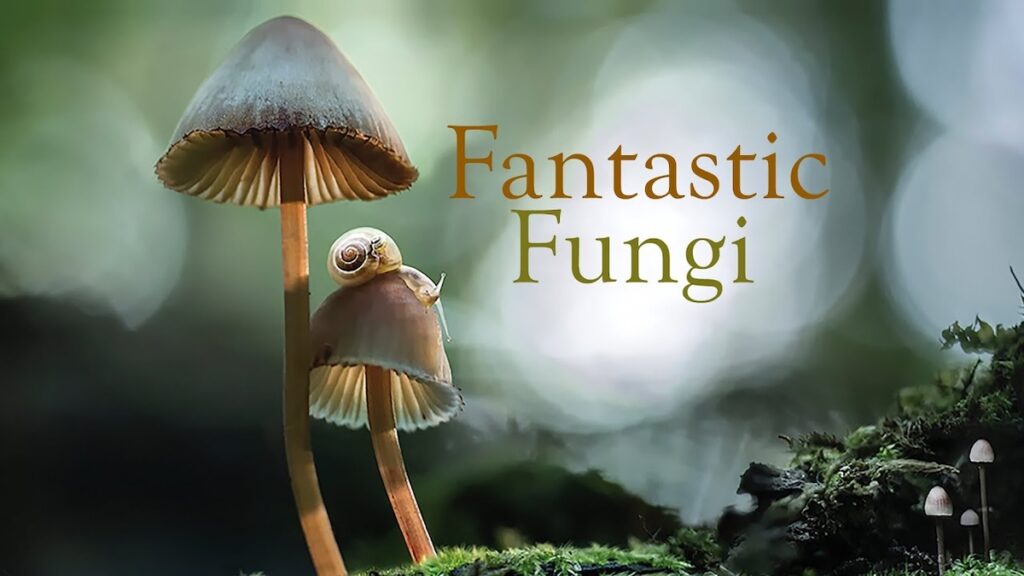
Category: Forests & Plants Format: Standalone film Production: Moving Art
Narrator / Presenter: Featuring Paul Stamets and others Main Focus: Fungal biology, mycorrhizal networks, decomposition, symbiosis, and human uses of fungi.
Strictly speaking, fungi are not plants, but this film belongs in any serious guide to forest-and-plant-adjacent documentaries. At its best, it explains the ecological centrality of fungi to forests, soils, nutrient cycling, and plant partnerships in a visually rich and accessible way.
What Plants Talk About (2013)
Narrator / Presenter: N/A Main Focus: Plant signaling, chemical communication, behavior, and the emerging science of plant interaction.
Category: Forests & Plants Format: Standalone film Production: PBS / NOVA
A concise science documentary that asks whether plants behave in ways that are more dynamic than traditional public narratives suggest. It is particularly useful for readers who want a shorter, concept-driven entry point into plant signaling and experimental botany.
Kingdom of Plants 3D (2012)
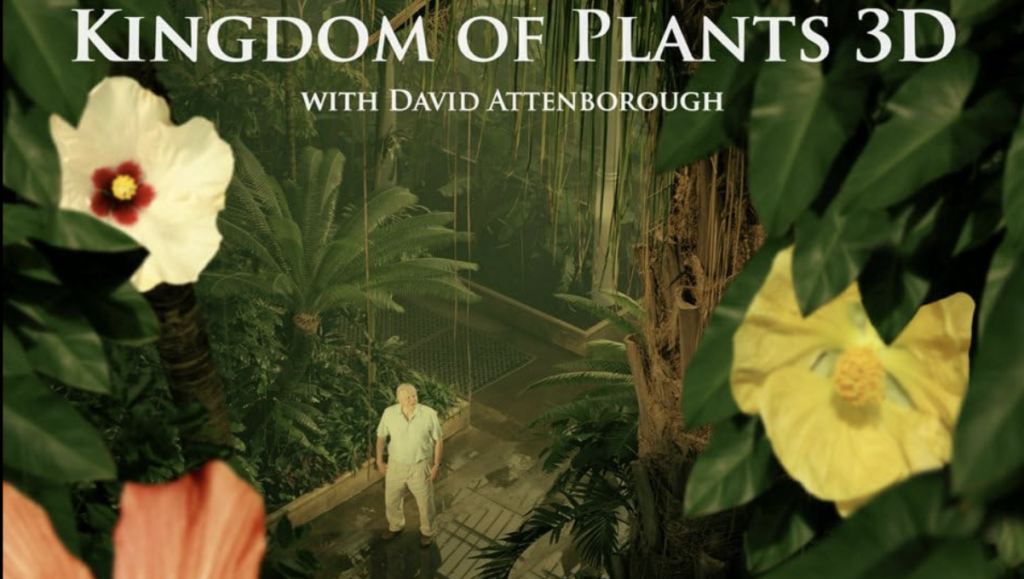
Category: Forests & Plants Format: Series Production: Atlantic Productions / Sky / Royal Botanic Gardens, Kew collaboration
Narrator / Presenter: David Attenborough Main Focus: Plant evolution, reproduction, and survival, filmed with immersive macro and 3D techniques.
Set largely through the lens of Kew and global botanical science, this short series turns plant life into a world of innovation and adaptive design. Its technical presentation is unusually tactile, helping viewers appreciate structures and processes that are otherwise easy to overlook.
Series overview
Kingdom of Plants 3D is included here not just as a headline title but as a structured series with episode-level notes, so the guide can double as a planning and browsing tool for readers.
Episodes
Episode 1: Life in the Wet Zone (2012)
Looks at plant origins and the early conquest of moist habitats, emphasizing ancient lineages and structural innovation. The episode makes plant evolution feel active and exploratory.
Episode 2: Solving the Secrets (2012)
Focuses on reproduction, pollination, and the hidden mechanics of flowering plants. Much of the drama comes from how plants solve the problem of moving genes without moving themselves.
Episode 3: Survival (2012)
Examines how plants defend, endure, and adapt in difficult settings. It ties plant design to environmental pressure in a clear, visually satisfying way.
The Private Life of Plants (1995)
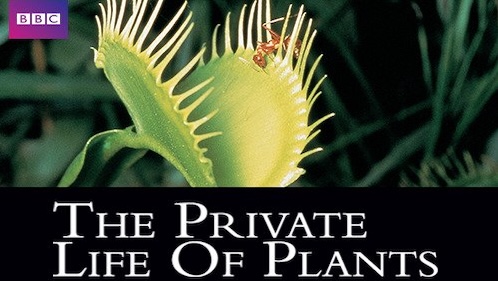
Category: Forests & Plants Format: Series Production: BBC Natural History Unit / BBC
Narrator / Presenter: David Attenborough Main Focus: Plant movement, growth, flowering, social struggle, and survival.
A foundational plant documentary that changed how television audiences saw vegetation by revealing timescales and behaviors invisible to the naked eye. Its central achievement is conceptual: it persuades the viewer that plants are actors in ecological drama, not passive background. One of the landmark plant series in documentary history and still a core reference point for later productions.
Episodes
Episode 1: Travelling (1995)
Explores how plants move by growth, dispersal, and ingenious use of wind, animals, and environmental forces. It begins by dissolving the misconception that plants are truly motionless.
Episode 2: Growing (1995)
Examines how plants gather resources and build bodies in response to light, water, and competition. Growth is shown as a strategic response rather than a passive process.
Episode 3: Flowering (1995)
Looks at pollination and the often astonishing ways plants recruit insects, birds, bats, and even deception to reproduce. Reproduction becomes one of the most dramatic chapters in plant life.
Episode 4: The Social Struggle (1995)
Focuses on competition, cooperation, parasitism, and dominance among plants sharing space. Forests and other communities are shown as structured by constant negotiation.
Episode 5: Living Together (1995)
Examines plant partnerships with animals and other organisms, including mutualisms and hidden dependencies. The episode deepens the sense of plants as networked participants in ecosystems.
Episode 6: Surviving (1995)
Closes with plants in harsh environments, where drought, cold, poor soil, and disturbance test the limits of life. Survival here is adaptation made visible.