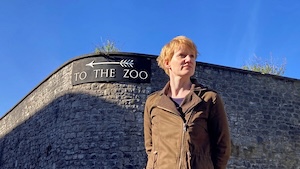

Wilding (2023)
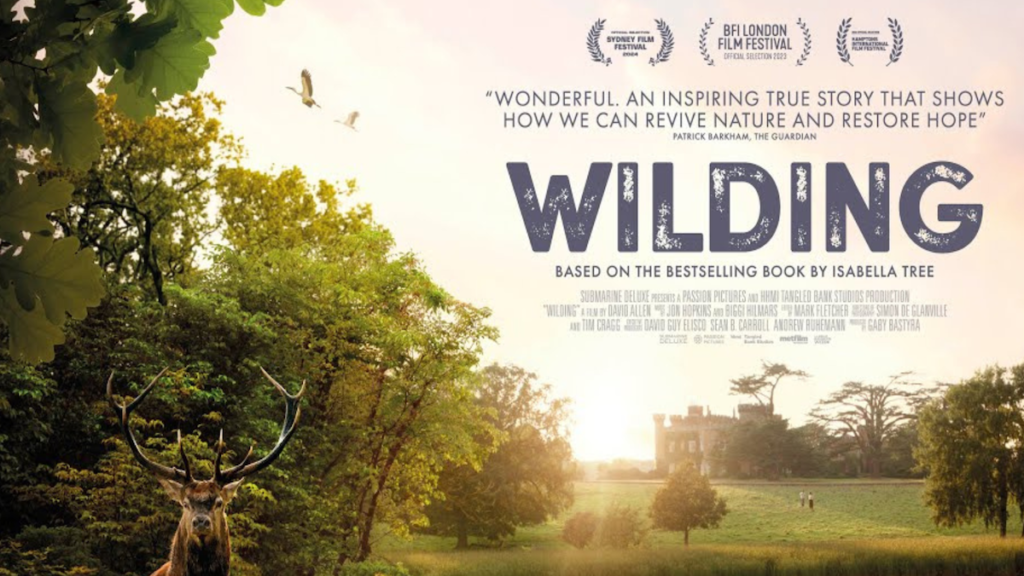
Category: Conservation Format: Standalone film Production: Independent UK production
Narrator / Presenter: Featuring Isabella Tree, Charlie Burrell, and ecologists Main Focus: Rewilding on the Knepp Estate and the ecological recovery of farmed land.
Based on the influential British rewilding story, this film follows how intensive farmland was allowed to become a more self-willed ecosystem. It is especially valuable because it links conservation practice to visible ecological change, including species return, soil renewal, and landscape process. Important for contemporary rewilding debates and for showing conservation as long-term ecological experimentation.
David Attenborough: A Life on Our Planet (2020)
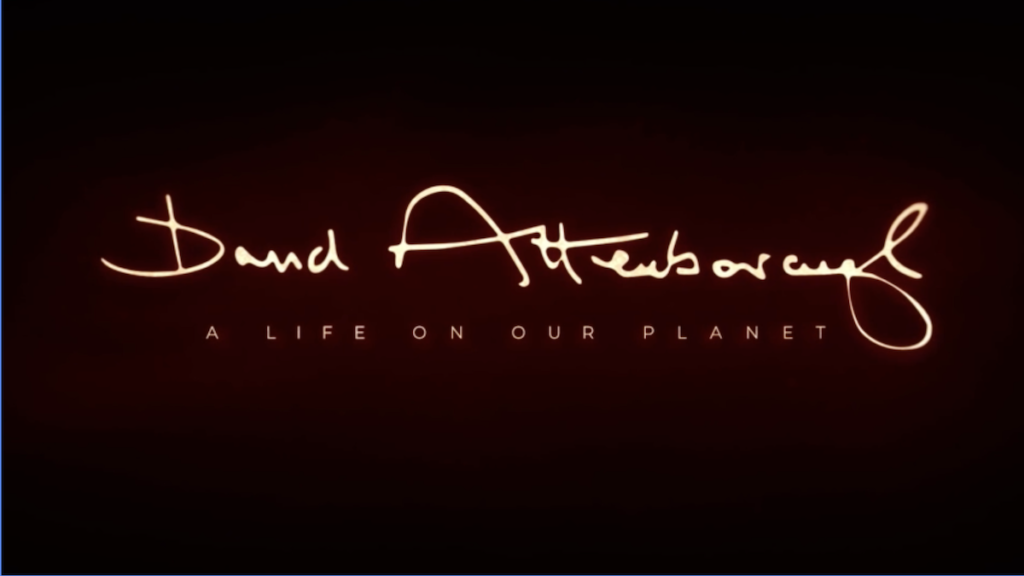
Category: Conservation Format: Standalone film Production: Silverback Films / Netflix / WWF collaboration
Narrator / Presenter: David Attenborough Main Focus: A personal witness statement on biodiversity loss, habitat destruction, and the case for ecological restoration.
Part memoir, part planetary diagnosis, this film is more openly advocative than Attenborough’s classic BBC landmark series. Its value lies in combining a lifetime of field observation with a clear conservation argument about energy, diet, land use, and the future of the biosphere. Culturally important as Attenborough’s most explicitly conservationist screen work.
The Serengeti Rules (2018)
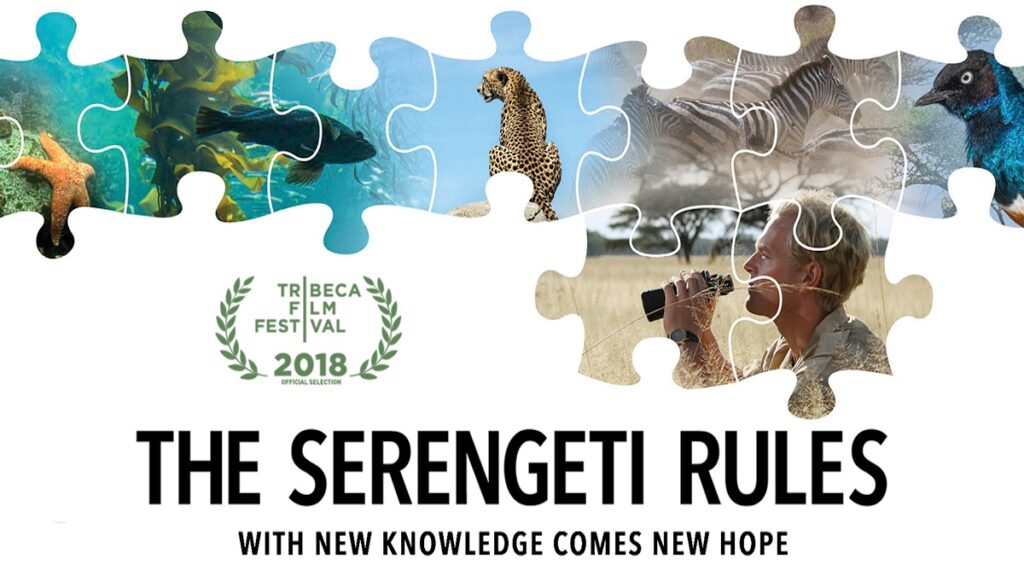
Category: Conservation Format: Standalone film Production: HHMI Tangled Bank Studios / Passion Pictures / PBS
Narrator / Presenter: Featuring scientists including Tony Sinclair and Jim Estes Main Focus: The science behind ecosystem regulation, trophic cascades, and how ecological insights inform conservation.
This film is one of the best science-centered conservation documentaries for general audiences. Instead of focusing mainly on charismatic campaigning, it explains the ecological rules that allow whole systems to function and shows how those insights matter for protecting nature.
Jane (2017)
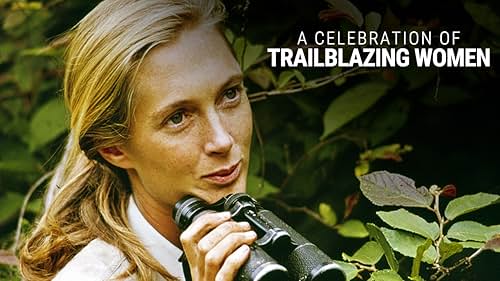
Category: Conservation Format: Standalone film Production: National Geographic Documentary Films
Narrator / Presenter: Featuring Jane Goodall Main Focus: Jane Goodall’s early chimpanzee research at Gombe and the scientific transformation it triggered.
Built around remarkable archival footage, Jane is both a biography and a conservation origin story. It shows how close observation of wild chimpanzees reshaped primatology, animal behavior research, and public attitudes toward great apes.
Racing Extinction (2015)
Category: Conservation Format: Standalone film Production: Oceanic Preservation Society / Discovery
Narrator / Presenter: Louie Psihoyos and investigative team Main Focus: The biodiversity crisis, wildlife trade, and the evidence that humanity is driving a mass extinction event.
This urgent, activist-leaning documentary uses covert investigation, visual technology, and a big-picture extinction narrative to reach a broad audience. It is strongest when it ties charismatic species loss to systemic drivers such as demand, trade, and environmental change.
Virunga (2014)
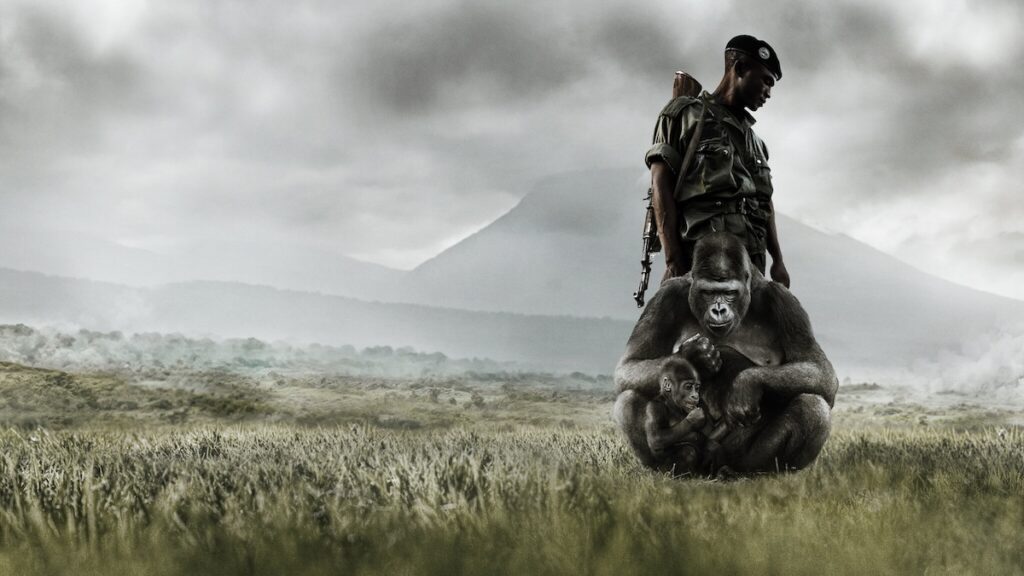
Category: Conservation Format: Standalone film Production: Grain Media / Netflix
Narrator / Presenter: Featuring park rangers and local staff Main Focus: The Democratic Republic of the Congo’s Virunga National Park, mountain gorilla protection, armed conflict, and resource extraction.
Virunga is one of the most gripping conservation documentaries ever made because it shows that wildlife protection is often inseparable from politics, danger, and human courage. The film keeps conservation grounded in place, institutions, and the lives of people doing the work on the ground.
Mission Blue (2014)
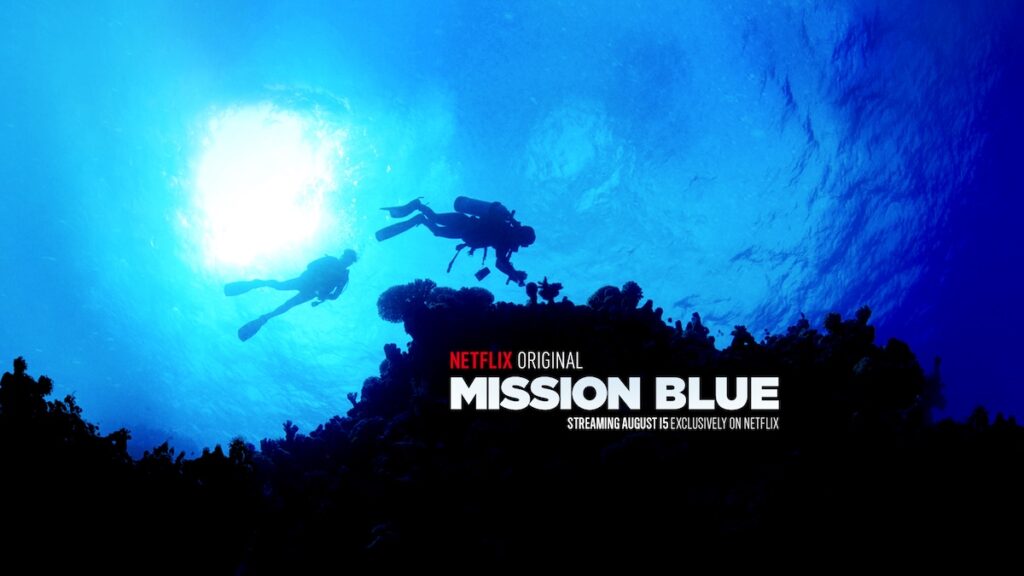
Category: Conservation Format: Standalone film Production: Netflix / Fisher Stevens production
Narrator / Presenter: Featuring Sylvia Earle Main Focus: Marine conservation, ocean protection, and Sylvia Earle’s campaign for Hope Spots.
Centered on oceanographer Sylvia Earle, this documentary blends biography with a large-scale argument for marine protected areas and public engagement with the sea. It works well as a conservation gateway for readers whose interest begins with marine beauty and deepens into policy and stewardship.