
The Future of Nature (2024)
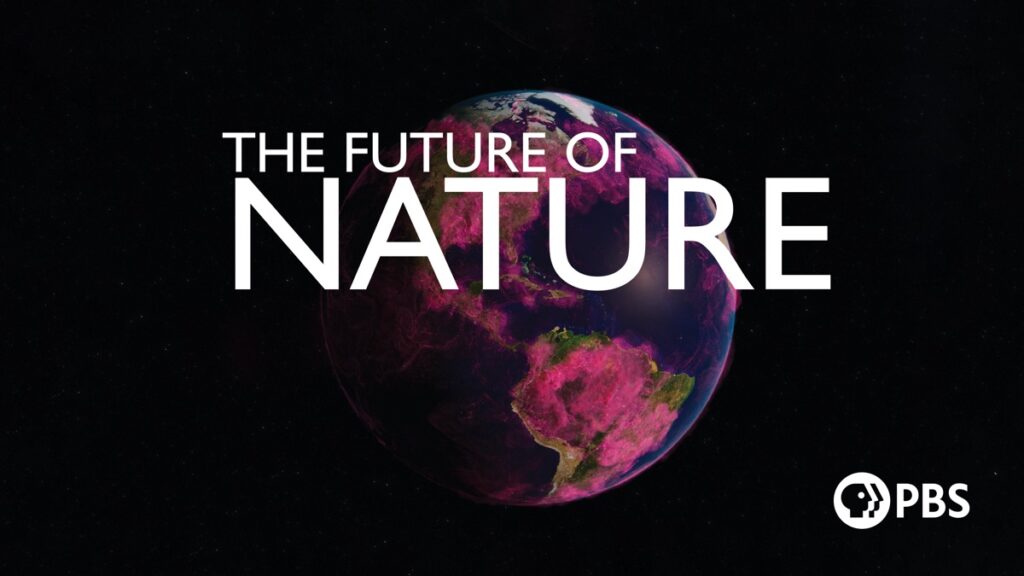
Category: Climate & Environment Format: Series Production: PBS / Terra Mater Studios / The WNET Group
Narrator / Presenter: Uma Thurman Main Focus: How restoring ecosystems can support biodiversity, climate resilience, and human well-being.
Rather than focusing only on loss, this series examines ecological recovery and the science of restoration. It is especially useful for a blog resource because it links conservation biology, climate adaptation, and applied environmental science in a hopeful but evidence-based way. Valuable for nature lovers who want climate-and-environment storytelling that moves beyond catastrophe toward repair.
Episodes
Episode 1: Oceans (2024)
Looks at marine restoration, from coastal habitats to broader ocean recovery efforts. The episode links biodiversity protection with climate resilience and food systems.
Episode 2: Grasslands (2024)
Explores prairies, savannas, and grazing systems as crucial but often overlooked ecological assets. Recovery of open landscapes is shown to matter for soil, carbon, and wildlife.
Episode 3: Forests (2024)
Examines tree cover, habitat complexity, and the science of restoring forest systems. It emphasizes that healthy forests are not just carbon stores but living networks.
Episode 4: Humans (2024)
Concludes by connecting restoration science to people, livelihoods, and social choice. Nature recovery is framed as practical, not abstract.
Our Planet II (2023)
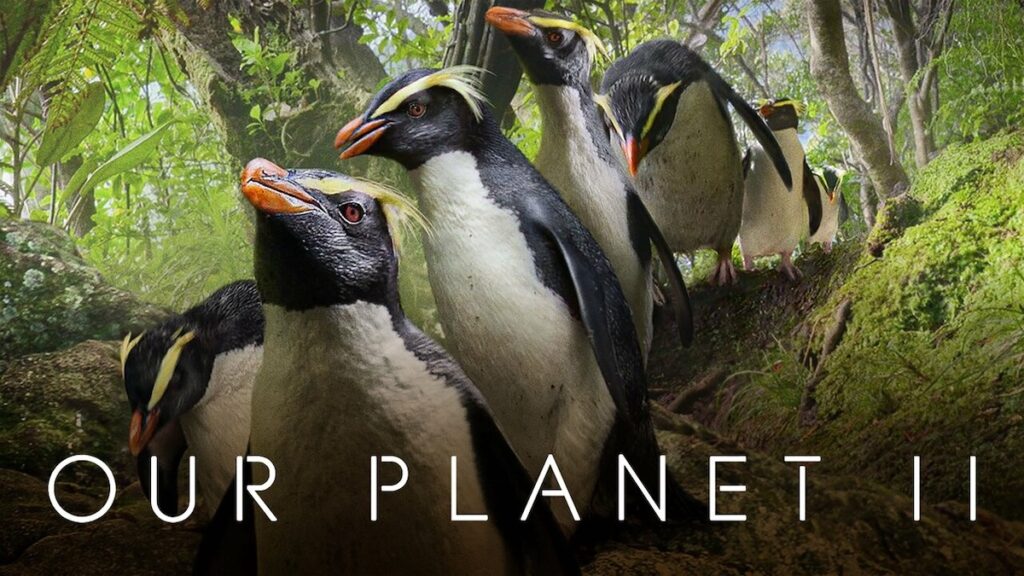
Category: Climate & Environment Format: Series Production: Silverback Films / Netflix / WWF collaboration
Narrator / Presenter: David Attenborough Main Focus: Animal movement and migration in a rapidly changing world.
The second Our Planet series narrows its focus to movement, following migrations and life-cycle journeys on land, in rivers, and at sea. It is especially strong at showing movement as ecology: a process that connects climate, food, breeding, and survival.
Episodes
Episode 1: Chapter 1: The World on the Move (2023)
Introduces migration and movement as one of the grand organizing principles of life on Earth. Animals move not randomly, but in response to recurring ecological opportunity.
Episode 2: Chapter 2: Following the Sun (2023)
Explores journeys tied to seasonal productivity and shifting energy across the planet. The episode is strong on how climate and sunlight structure biological timing.
Episode 3: Chapter 3: The Next Generation (2023)
Focuses on movement connected to breeding, birth, and the survival of offspring. Reproduction is shown to depend on arriving in the right place at the right time.
Episode 4: Chapter 4: Freedom to Roam (2023)
Turns toward habitat fragmentation, barriers, and the need for connected landscapes and seascapes. Conservation emerges as a question of movement corridors as much as protected spots.
The Year Earth Changed (2021)
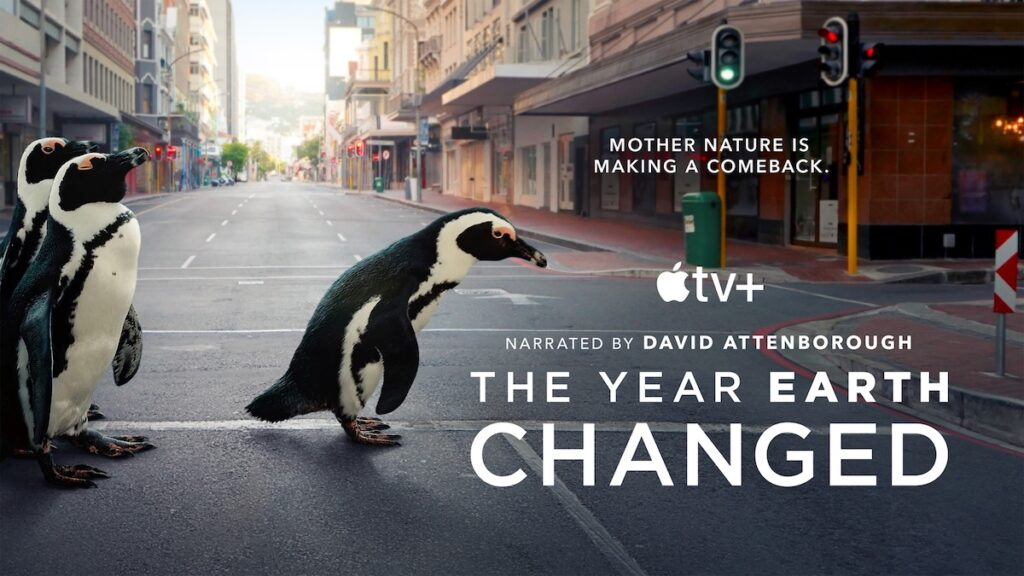
Category: Climate & Environment Format: Standalone film Production: BBC Studios Natural History Unit / Apple TV+
Narrator / Presenter: David Attenborough Main Focus: How wildlife responded to the sudden global slowdown in human activity during the COVID-19 pandemic.
This documentary is unusual because it treats a recent human event as a large-scale ecological experiment. It is most compelling when it stays careful about interpretation, showing what changed in animal behavior and what those changes can and cannot mean. Historically distinctive as an attempt to document rapid wildlife responses during an extraordinary moment of reduced human disturbance.
Breaking Boundaries: The Science of Our Planet (2021)
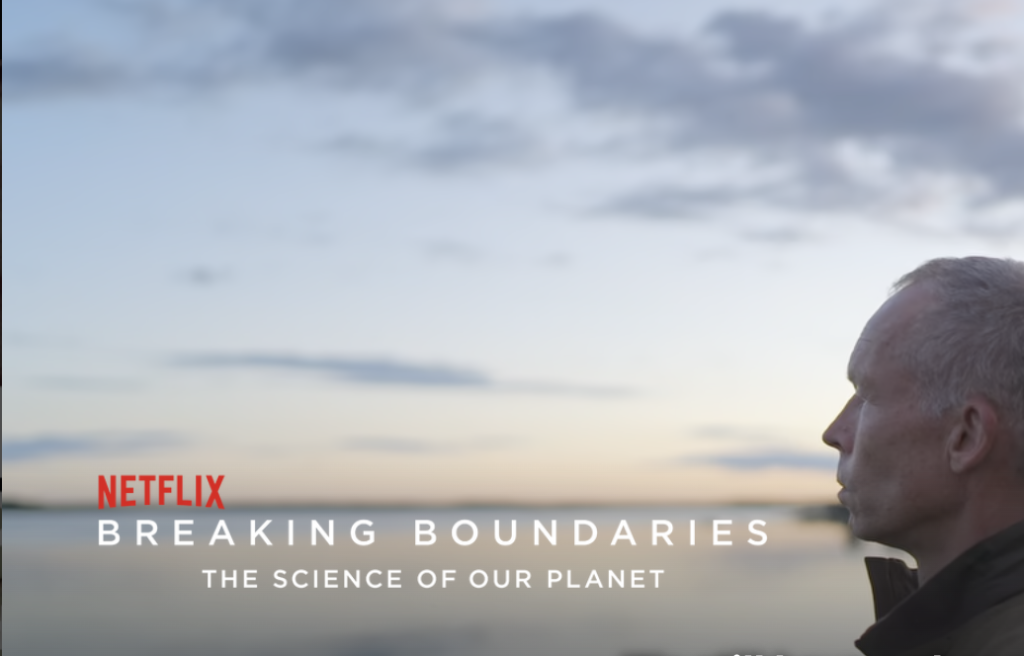
Category: Climate & Environment Format: Standalone film Production: Netflix / Silverback Films
Narrator / Presenter: David Attenborough with Johan Rockström Main Focus: Planetary boundaries science and the environmental limits within which civilization can safely operate.
This is one of the clearest documentary explanations of the planetary boundaries framework for general audiences. It brings Earth-system science into conversation with biodiversity loss, climate change, land use, and biogeochemical cycles without becoming purely academic. Scientifically significant for popularizing a major sustainability framework rather than focusing on a single environmental issue.
Before the Flood (2016)
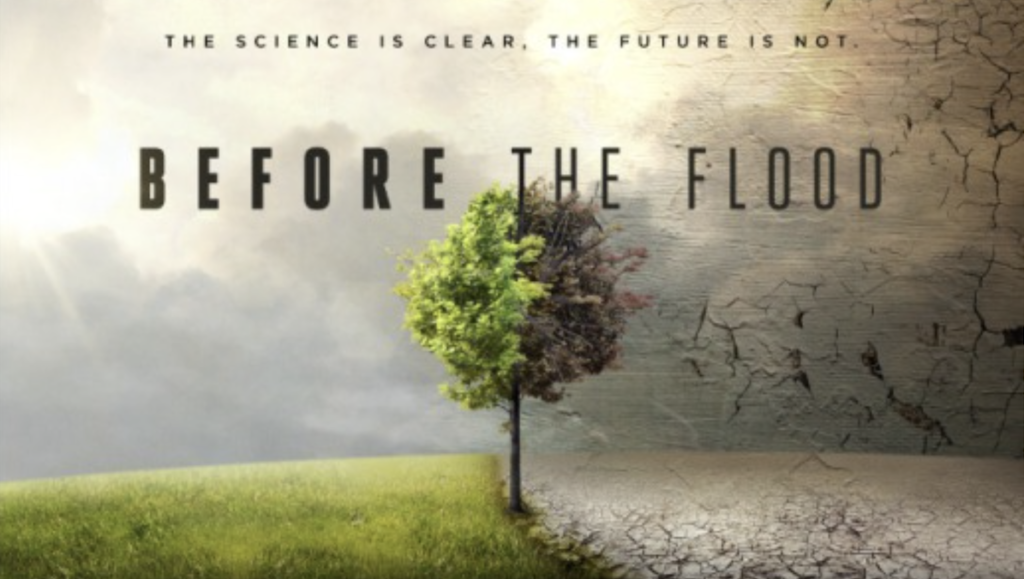
Category: Climate & Environment Format: Standalone film Production: National Geographic
Narrator / Presenter: Leonardo DiCaprio Main Focus: Climate change impacts, politics, and mitigation pathways around the world.
A globe-spanning climate documentary that leans more policy-facing than classic natural history, yet remains rooted in environmental science and field observation. It works best as a bridge between ecological storytelling and climate governance. Notable for reaching broad mainstream audiences with a climate-science message through a major global platform.
Chasing Ice (2012)
Category: Climate & Environment Format: Standalone film Production: Exposure / Diamond Docs
Narrator / Presenter: Featuring James Balog Main Focus: Long-term photographic evidence of glacier retreat and cryosphere change.
This documentary uses time-lapse photography to make climate change visually undeniable without oversimplifying the science. It is one of the strongest examples of how documentary image-making can function as environmental evidence. Historically important for popularizing visual proof of glacier loss through the Extreme Ice Survey.
An Inconvenient Truth (2006)
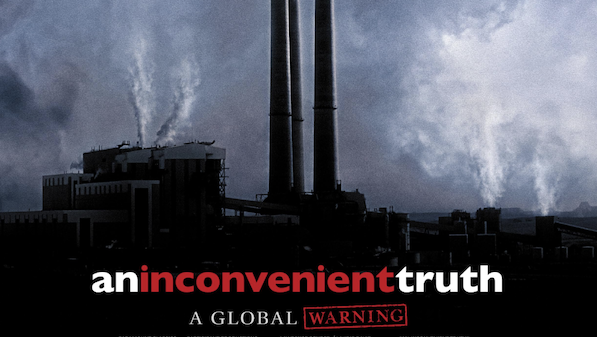
Category: Climate & Environment Format: Standalone film Production: Participant Media / Paramount Classics
Narrator / Presenter: Al Gore Main Focus: Climate science, warming trends, and the public communication of climate risk.
Though more lecture-driven than most entries here, this film remains one of the most culturally consequential climate documentaries ever made. It helped shift climate change from a specialist issue into mainstream civic conversation. A major landmark in climate communication and one of the defining environmental documentaries of the twenty-first century.